

Loft Conversions in London
Creating Space Without Moving
Living space is at a premium throughout the capital. Many homes were built decades ago, long before modern family needs, remote working, and lifestyle changes became common. As a result, homeowners often reach a point where their existing space no longer works, but moving to a larger property is not always practical.

Maximise Space and Value With a London Loft Conversion
Rising house prices, stamp duty, legal fees, and the disruption of relocating can make moving an expensive and stressful option. A loft conversion in London provides a smart alternative. By transforming unused roof space into a functional living area, homeowners can gain valuable extra room without leaving the neighbourhood they already love. Whether the goal is to create an additional bedroom, a home office, or a quiet retreat, a well-planned loft conversion can completely change how a property is used. For many London households, converting the loft is not just about adding space. It is about improving day-to-day comfort, making better use of the existing structure, and adapting the home to suit changing needs without the upheaval of moving. For homeowners across the capital, a professionally designed loft conversion in London offers a practical way to maximise space while increasing long-term value. A well-planned London loft conversion makes use of unused roof space while respecting local planning rules and property layouts. Homeowners searching for loft conversions London often choose this approach to gain space without relocating.
Testimonials
Trustindex verifies that the original source of the review is Google. Just had a rear dormer loft conversion completed by Neo Lofts in Balham and couldn’t be happier. We now have a beautiful double bedroom and separate bathroom which has added serious value to the house. Communication was clear, the drawings were sorted fast and every stage of the build felt smooth. They really do what they say – no corners cut, no dodgy workmanship. Loads of our neighbours are asking who did the work and we’re already recommending Neo Lofts to others in the area.Posted onTrustindex verifies that the original source of the review is Google. My wife and I moved to London from Melbourne, Australia last year, and as keen DIY people we were looking for a proper doer-upper. We decided that a loft conversion was the best way to add space and value, and wanted to get this completed before touching the rest of the house. Being new to the UK, we had no contacts or recommendations, so we found Neo Lofts through Google and arranged a quote. They came out the very next day and took the time to talk us through all the options and possibilities for the loft. From the first meeting, communication was excellent — they were easy to reach, answered questions clearly, and never rushed us. As first-time homeowners in the UK, we were naturally a bit apprehensive, but Neo Lofts made the whole process feel straightforward and well managed. Their knowledge, transparency, and reliability gave us real confidence in our decision. We’re very glad we chose Neo Lofts and wouldn’t hesitate to recommend them to anyone considering a loft conversion.Posted onTrustindex verifies that the original source of the review is Google. We live in Wandsworth and were looking to add space without going through the stress of moving. A loft conversion made the most sense, but choosing the right company was important to us as we wanted the job done properly, not rushed. After comparing a few options, we found Neo Lofts and arranged a visit. From the first meeting, they were professional, knowledgeable, and clearly experienced with loft conversions in the area. They explained what was realistically achievable with our property and were upfront about costs, timelines, and the process. Communication throughout was excellent. Any questions we had were answered quickly, and we always felt informed and in control. The team were organised, respectful of the house, and everything ran as expected. The finished loft has completely transformed how we use our home and has added real value to the property. We wouldn’t hesitate to recommend Neo Lofts to anyone in Wandsworth considering a loft conversion.Posted onTrustindex verifies that the original source of the review is Google. We had a hip to gable loft conversion done on our semi-detached house in Dulwich and the results are brilliant. The build team were tidy, respectful and kept us in the loop throughout. What stood out to us was how well organised the whole process was, especially the payment stages and project management. Neo Lofts made the experience straightforward and stress-free. If you’re looking for a loft conversion company in South London with high standards, these guys are worth speaking to.Posted onTrustindex verifies that the original source of the review is Google. Neo Lofts completely transformed our home in Clapham. From the first site visit to the final handover, the whole team was professional, punctual and genuinely cared about the end result. They helped us design a dormer loft with a large master bedroom and en-suite, and managed everything including structural drawings and building control. The quality of finish is outstanding and the project was completed on time. We spoke to a few loft conversion companies in South London before choosing Neo and we’re so glad we did. Highly recommend.Posted on
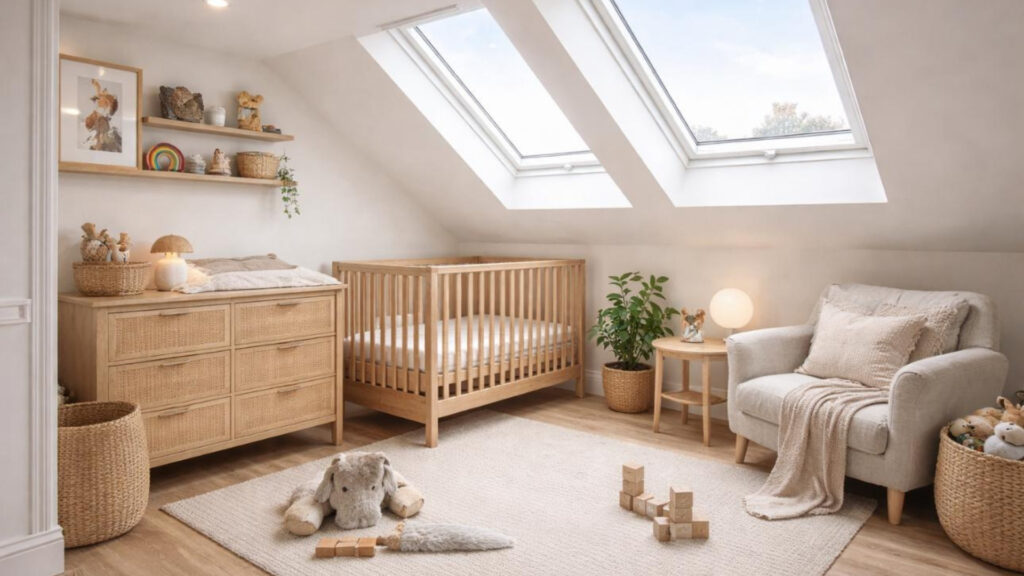
Benefits of a Loft Conversion in London
Compared to traditional house extensions, a loft conversion allows homeowners to create additional space without reducing garden or outdoor areas. Many homeowners choose this solution to create space to grow a family without moving away from their community.
Increased living space in a crowded city
London is one of the most densely populated cities in the UK, and many properties were built at a time when households required far less space than they do today. As families grow and lifestyles change, homes can quickly begin to feel cramped, particularly in terraced and semi-detached properties where extending outward is not always an option.
A loft conversion allows homeowners to unlock unused roof space and turn it into valuable living accommodation. By building upwards rather than outwards, it is possible to create additional rooms without losing garden space or altering the footprint of the property. This is especially beneficial in London, where outdoor space is limited and highly valued.
Creating extra living space through a loft conversion can significantly improve daily comfort. It reduces overcrowding, adds privacy, and helps homes adapt to changing needs, whether that means accommodating a growing family or creating space for work and relaxation.
Added property value and return on investment
A well-designed loft conversion can add significant value to a property, making it one of the most effective home improvements for London homeowners. In a competitive property market, additional bedrooms and functional living areas are highly attractive to buyers and can set a home apart from similar properties in the same area.
While the cost of a loft conversion varies depending on design, size, and structural requirements, it often delivers a strong return on investment when compared to other types of home extensions. By increasing usable floor space without reducing outdoor areas, loft conversions tend to appeal to a wide range of buyers.
Maximising return on investment depends on thoughtful design and professional execution. Creating practical layouts, ensuring good natural light, and maintaining a high-quality finish all contribute to long-term value, whether the property is sold in the future or enjoyed by the current owners.
Flexible and versatile living space
One of the key advantages of a loft conversion is the flexibility it offers. The additional space can be tailored to suit a wide range of needs, making it a versatile solution for London homes. From extra bedrooms and guest suites to home offices and playrooms, the possibilities are extensive.
As household needs change over time, loft spaces can be adapted to serve new purposes. A room that begins as a nursery may later become a study, a teenager’s bedroom, or a private retreat. This adaptability ensures that the investment continues to add value long after the conversion is completed.
Designing a flexible upper roof area involves careful planning, including storage solutions, layout choices, and future-proofing. When done correctly, the loft becomes an integral part of the home rather than a single-purpose addition.
Energy efficiency and sustainability
Modern loft conversions can contribute to improved energy efficiency within a property. During the conversion process, insulation is upgraded to meet current building regulations, helping to reduce heat loss through the roof, which is one of the main sources of energy inefficiency in older homes.
Improved insulation can lead to more consistent indoor temperatures throughout the year, reducing reliance on heating in winter and helping to maintain comfort during warmer months. Over time, this can result in lower energy consumption and reduced utility bills.
Many homeowners also choose to incorporate sustainable materials and energy-efficient features into their loft conversion. Thoughtful design choices not only support a greener lifestyle but can also improve the overall performance and environmental rating of the property.
Natural light and ventilation
A well-planned loft conversion can dramatically improve natural light and ventilation within a home. Roof windows, dormer windows, and skylights allow daylight to flood into the new space, creating a bright and welcoming environment that feels open rather than enclosed.
Increased natural light can enhance both comfort and wellbeing, making loft rooms ideal for bedrooms, workspaces, or relaxation areas. Good ventilation is equally important, helping to regulate temperature and maintain healthy air circulation throughout the space.
By carefully positioning windows and openings, it is possible to optimise both light and airflow while maintaining privacy and meeting planning and building regulation requirements. These elements play a key role in creating a comfortable and functional loft conversion.
Personalisation and custom design
Loft conversions offer homeowners the opportunity to create a space that reflects their personal style and specific requirements. Unlike moving to a new property, a conversion allows full control over layout, finishes, and design details.
From bespoke storage and custom staircases to tailored lighting and layout solutions, every aspect of the space can be designed to suit individual preferences. This level of personalisation ensures the loft integrates seamlessly with the rest of the home while meeting practical needs.
Working with experienced professionals helps translate ideas into a well-executed design. A carefully planned custom loft conversion can enhance both the character and functionality of a property while delivering a space that feels truly personal.
Visual appeal and exterior improvements
In addition to creating internal space, a loft conversion can enhance the overall appearance of a property. When designed correctly, features such as dormer extensions or roof alterations can complement the existing architecture rather than detract from it.
External improvements carried out during the conversion process can refresh the look of the home and contribute to improved curb appeal. This is particularly important in London, where street appearance and architectural consistency are valued.
A visually well-integrated loft conversion not only benefits current homeowners but can also make the property more attractive to future buyers. Attention to design and materials ensures the finished result enhances the character of the home.
Types of Loft Conversions in London
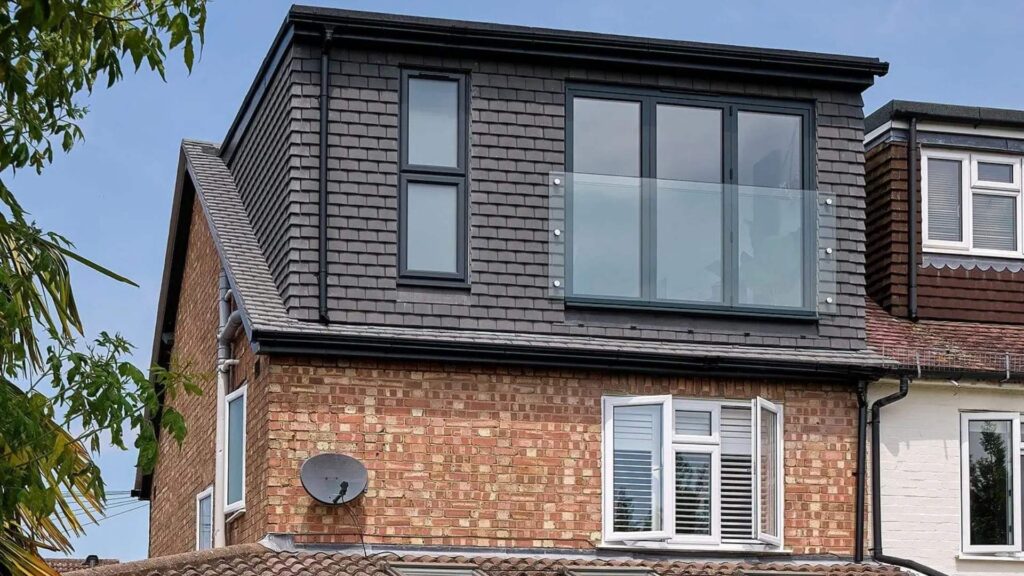
Rear dormer loft conversions
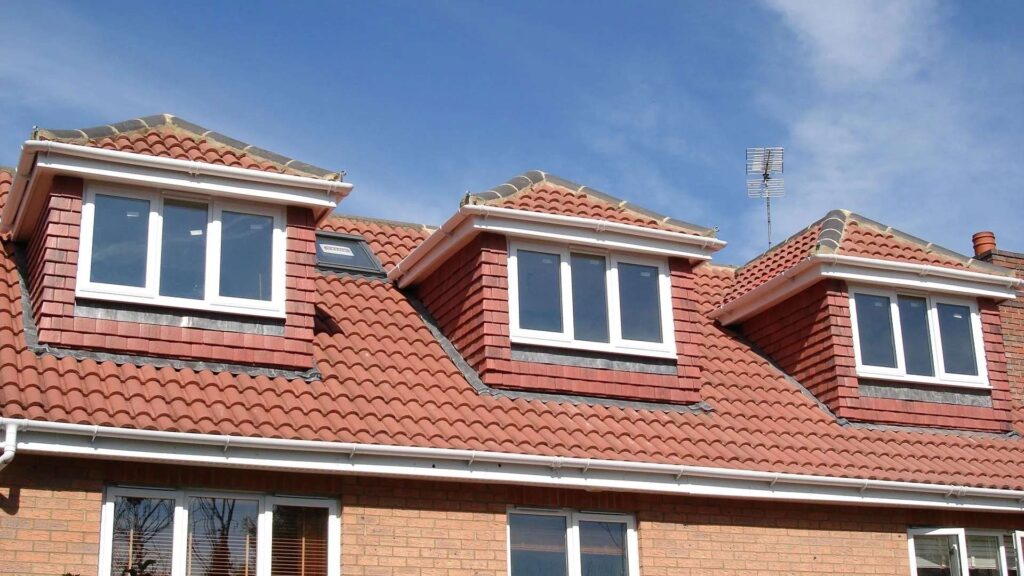
Rear dormer loft conversions are one of the most popular options for London properties, particularly terraced and semi-detached homes. This type of conversion involves extending the existing roof structure at the rear of the property to create additional headroom and usable floor space.
Rear dormers are well suited to creating large, practical rooms such as master bedrooms with en-suite bathrooms or spacious home offices. The flat-roof design maximises internal space while keeping the external appearance relatively discreet from the street.
In many cases, rear dormer loft conversions fall within permitted development rights, although this depends on the property type and location. Careful design and professional construction ensure the conversion blends with the existing structure and complies with building regulations. A rear dormer loft conversion is one of the most common dormer conversions in London due to its efficiency, cost-effectiveness, and suitability for terraced homes.
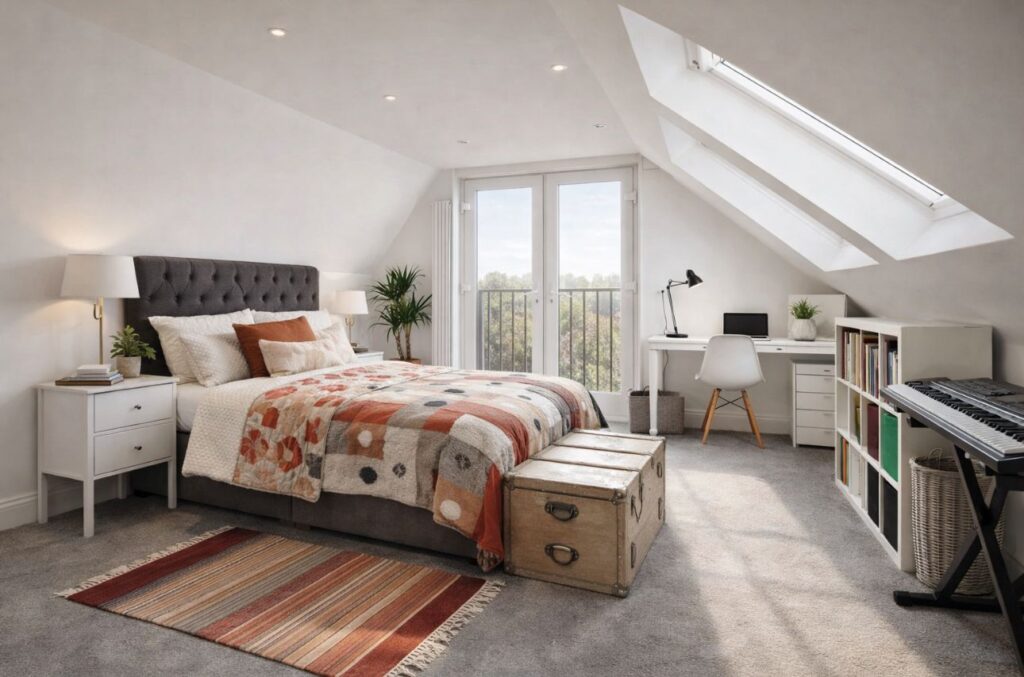
Mansard loft conversions
Mansard loft conversions are commonly seen throughout the capital, particularly in period properties and conservation areas. This style involves altering the roof structure to create a near-vertical rear wall and a flat roof, resulting in a substantial increase in usable space.
Due to the structural changes involved, mansard conversions typically require planning permission. However, the additional space they provide often makes them a worthwhile investment for homeowners looking to maximise floor area.
Mansard loft conversions are ideal for creating full-height rooms that feel like a natural extension of the existing property. When designed correctly, they maintain the architectural character of the building while delivering excellent functionality. Mansard loft conversions are often chosen for London properties where maximum loft space is required and planning permission can be obtained.
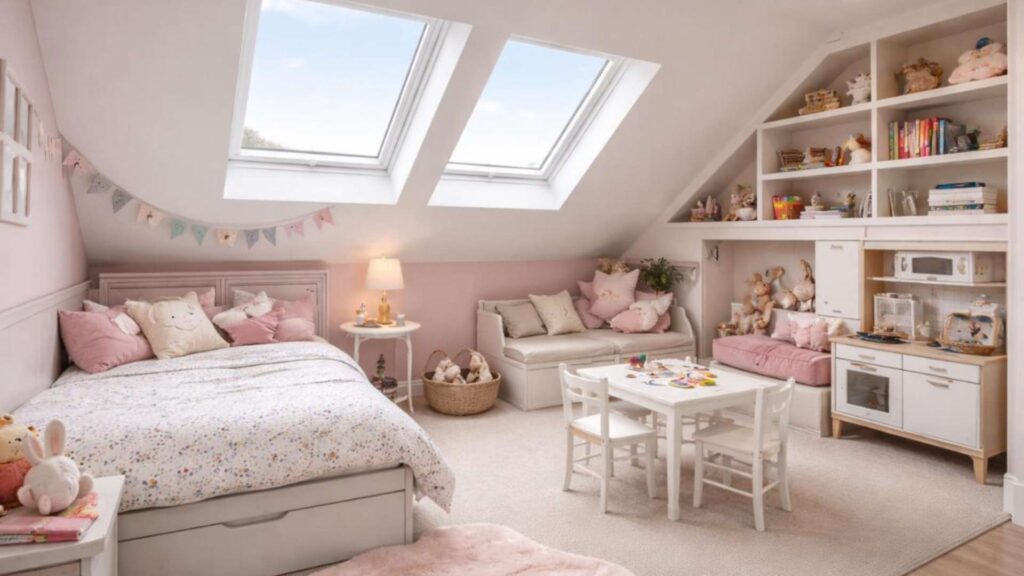
Hip to gable loft conversions
Hip to gable loft conversions are well suited to semi-detached and detached properties where the roof slopes inwards on one or both sides. This type of conversion extends the sloping side of the roof to create a vertical gable wall, increasing internal space.
By extending the roofline, hip to gable conversions create more headroom and allow for flexible room layouts. They are often combined with rear dormer extensions to maximise usable space within the loft.
This type of loft conversion is particularly popular in outer London areas where properties have wider plots. Professional assessment is essential to ensure the structure supports the additional load and meets all building regulations. A hip-to-gable loft conversion is ideal for semi-detached properties, allowing additional roof interior while maintaining the existing roofline.
Velux loft conversions
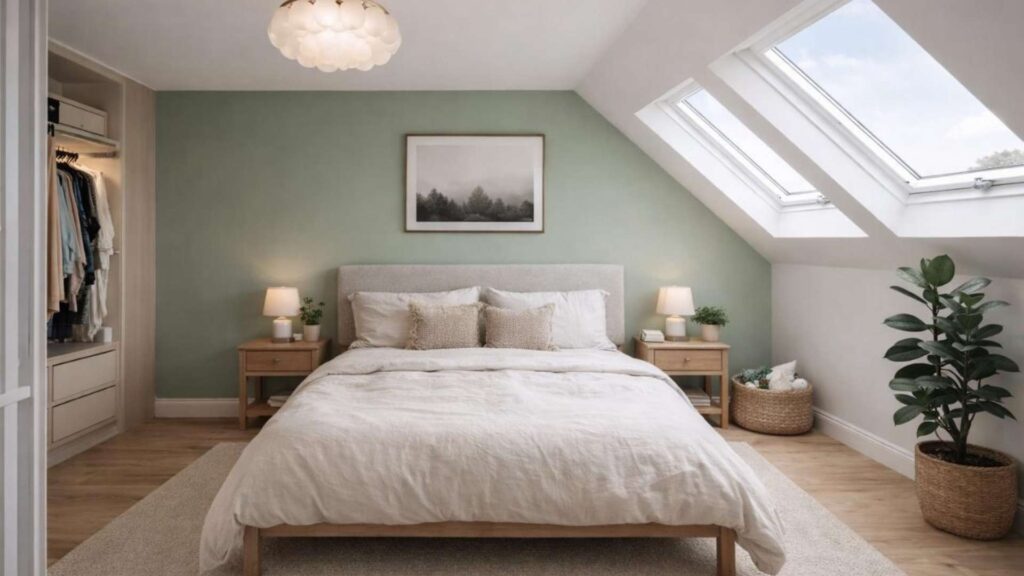
Velux loft conversions, also known as roof light conversions, are the least disruptive option and involve installing roof windows without altering the existing roof structure. This approach is ideal where sufficient headroom already exists within the loft.
Velux conversions preserve the original roof shape while introducing natural light and ventilation into the space. They are often used to create home offices, guest rooms, or hobby spaces.
In many cases, Velux loft conversions can be completed under permitted development rights, making them a cost-effective and efficient solution. Careful placement of roof windows ensures the space feels bright, comfortable, and functional. A Velux loft conversion is a popular choice where existing attic space allows conversion without major structural changes to the roof.
Planning Permission and Building Regulations in London
Planning permission and building regulations are key considerations for any loft conversion in London. Understanding the requirements early helps avoid delays and ensures the project runs smoothly from start to finish.
In certain cases, roof space developments can proceed under permitted development rules, removing the need for formal council approval. This typically applies to rear dormer and Velux loft conversions, provided the design meets specific size, height, and volume limits. However, properties in conservation areas, listed buildings, or flats usually require planning approval.
Building regulations apply to all loft conversions, regardless of whether planning permission is needed. These regulations cover structural safety, fire protection, insulation, soundproofing, and stair design. Compliance ensures the converted space is safe, energy efficient, and suitable for long-term use.
Working with experienced professionals helps navigate local authority requirements and ensures all approvals are obtained before construction begins. Proper planning and regulation compliance protect both the property and the homeowner’s investment.
Some loft conversions may also require a certificate of lawful development, even when planning permission is not needed. This provides formal confirmation from the local authority that the project complies with permitted development rules and can be useful when selling the property in the future.
Understanding whether a loft conversion falls under permitted development or requires full planning permission is essential, particularly across different London boroughs. A specialist contractor will assess roof volume limits, dormer design, and property classification to ensure the loft conversion project complies with both local planning rules and building regulations.
Some loft conversions also require a party wall agreement where structural work affects a shared boundary. Load calculations and beam specifications are confirmed by a structural engineer before construction begins. The local authority building control team assesses fire safety, stair access, and sound insulation before issuing final sign-off under building regulations.
Our Loft Conversion Process
Each build is overseen by a dedicated project manager, ensuring coordination between trades, inspections, and communication with building control throughout the build.
Our loft conversion process is designed to be clear, structured, and stress-free for London homeowners. From the initial consultation through to completion, each stage is carefully managed to ensure high standards and consistent communication. The process begins with an initial consultation and site assessment. This allows the existing roof structure, head height, and layout potential to be evaluated while discussing the homeowner’s requirements and ideas. Following this, a detailed design and planning phase ensures the proposed conversion complies with local regulations and reflects the intended use of the space.
Once approvals are in place, construction begins with a focus on structural integrity, safety, and quality workmanship. Throughout the build, progress is closely managed to minimise disruption to the household. The final stage includes finishing works, inspections, and sign-off to ensure the loft conversion is fully compliant and ready for use. A well-managed process ensures the project is delivered on time, within scope, and to a standard that enhances both comfort and long-term value. Each project is delivered by an experienced builder with specialist knowledge of loft conversions and London property standards.
Cost and Value of Loft Conversions in London
The cost of a loft conversion in London varies depending on several factors, including the type of conversion, the size of the space, structural requirements, and the level of finish. Each property is different, which means costs are assessed on an individual basis rather than through fixed pricing.
Factors such as roof structure, access, planning requirements, and the complexity of the design all influence overall cost. For example, a Velux loft conversion will typically involve fewer structural changes than a mansard or hip to gable conversion. Additional elements such as en-suite bathrooms, bespoke storage, and custom staircases can also affect the final investment.
While costs vary, loft conversions are widely recognised as a strong long-term investment for London homeowners. By increasing usable living space and improving functionality, a well-executed conversion can significantly enhance property value. The combination of added space, improved energy efficiency, and modern design often delivers excellent value over time.
A detailed assessment and transparent quotation process help homeowners understand the scope of work and make informed decisions based on both immediate needs and future value.
Costs can also vary between inner London and outer London due to access, parking restrictions, and local authority requirements. Properties in conservation areas or with complex roof structures may require additional design and approval work, which can influence overall pricing. Loft conversion costs in London depend on the type of loft conversion, access requirements, and overall build complexity. A detailed quotation from a specialist builder helps homeowners understand costs, timelines, and long-term value before committing to the loft conversion project.
Loft Conversion FAQs
Do I need planning permission for a loft conversion in London?
Planning permission is not always required for this type of roof space development in London. Many projects fall under permitted development rights, particularly rear dormer and roof light designs, provided size, height, and volume limits are met. Homes in conservation areas, listed buildings, flats, and maisonettes usually require full approval. A specialist contractor can confirm which rules apply before work begins.
How long does a loft conversion take to complete?
The timescale for this type of home improvement in London depends on the design and complexity of the work involved. On average, most residential loft builds take several weeks from the start of construction to completion. Larger projects such as mansard or hip to gable loft conversions may take longer due to structural alterations, planning permission, and building control inspections. Clear planning and experienced project management help keep the build on schedule.
Will I need to move out during the loft conversion?
In most cases, homeowners can remain living in the property while the loft conversion is carried out.Much of the construction work takes place within the existing roof structure, which helps minimise disruption to the household. Some inconvenience may occur during certain stages, such as when the staircase is installed or services are connected, but this is usually planned carefully by the loft conversion specialist to reduce impact on daily life.
Is my property suitable for a loft conversion?
Most London homes are suitable for roof space development, depending on factors such as roof structure, available head height, and internal layout. Even properties with limited space may still be suitable with the right structural approach.
How much does a loft conversion cost in London?
The cost of a loft conversion in London varies depending on the type of conversion, the size of the space, and the level of finish required. Factors such as structural complexity, planning requirements, building regulations compliance, and additional features like bathrooms or bespoke storage can influence overall cost. For this reason, loft conversion costs are usually calculated following a detailed assessment rather than through fixed pricing.
How much value can a loft conversion add to my property?
A well-designed loft conversion can significantly increase property value by adding usable living space. In London’s competitive property market, additional bedrooms and functional living areas are highly attractive to buyers. The exact value added by a loft conversion depends on the property location, design quality, and current market conditions, but many homeowners see a strong return on investment.
Do loft conversions need to comply with building regulations?
Yes, all loft conversions must comply with UK building regulations. These regulations cover important aspects such as structural safety, fire protection, insulation, ventilation, soundproofing, and stair design. Building control approval ensures the converted loft space is safe, energy efficient, and suitable for long-term residential use.
What type of loft conversion is best for my home?
The best type of loft conversion depends on roof structure, available attic area, and planning considerations. Common options include rear dormer designs, mansard layouts, hip-to-gable extensions, and roof light solutions. A professional specialist contractor will assess the attic space, property type, and local planning permission requirements to recommend the most suitable loft conversion project.
Will a loft conversion improve energy efficiency?
Modern loft conversions often improve energy efficiency by upgrading insulation and reducing heat loss through the roof. Improved thermal performance helps maintain comfortable indoor temperatures and can reduce energy consumption. Many homeowners notice better energy efficiency and comfort levels after completing a loft conversion.
Can a loft conversion include a bathroom?
Yes, many loft conversions include en-suite bathrooms or shower rooms. Plumbing and drainage requirements are assessed during the design phase to ensure the layout is practical and compliant with building regulations. Adding a bathroom to a loft conversion can significantly increase both comfort and property value.
Are loft conversions suitable for period properties?
Loft conversions are commonly carried out on period properties throughout the capital. Careful design ensures the conversion complements the existing architecture while meeting planning or conservation area requirements where applicable. Experienced loft conversion specialists understand how to balance modern functionality with traditional character.
Is this guide to loft conversions suitable for first-time homeowners?
The first step is to arrange a loft conversion consultation and site assessment. This allows the property to be evaluated and suitable design options discussed. From there, planning, design, and construction can be managed through a structured loft conversion process to ensure the project runs smoothly from start to finish. This guide to loft projects explains the steps, approvals, and build process from start to finish.
Do I need a specialist contractor for roof space work?
Yes, working with a dedicated loft conversion specialist helps ensure the loft conversion project is designed, managed, and built to a high standard. A specialist builder understands planning permission, permitted development rules, structural requirements, and local authority regulations throughout the capital. This expertise reduces delays, ensures compliance, and delivers a smoother loft conversion process from start to finish.
Areas We Cover Across London
Neo Lofts London provides loft conversion services across Greater London, working with homeowners in a wide range of boroughs and property types. From inner-city terraces to suburban family homes, each project is approached with an understanding of local planning requirements and architectural styles.
Our service areas include North London, South London, East London, West London, and Central London. Experience working across different boroughs allows us to adapt designs to suit conservation areas, period properties, and modern developments while ensuring compliance with local authority guidelines.
Whether the property is located in a busy urban neighbourhood or a quieter residential area, our team delivers loft conversions tailored to the specific characteristics of the home and its surroundings. Local knowledge plays a key role in ensuring projects run smoothly and meet both regulatory and design expectations.
Homeowners throughout the capital choose Neo Lofts London for a professional approach, consistent communication, and high-quality results regardless of location. We deliver loft conversions across North London, South London, West London, and East London, adapting each loft conversion design to local planning requirements.
Why Choose Neo Lofts London
Choosing the right contractor is one of the most important decisions when planning a loft conversion. Neo Lofts London brings experience, structured project management, and a focus on quality workmanship to every project across the capital.
Each loft conversion is approached with careful planning and attention to detail. From initial consultation through to completion, the process is managed by professionals who understand London properties, building regulations, and client expectations. Clear communication and transparency help ensure homeowners feel informed and confident at every stage.
Neo Lofts London works to high standards of safety and compliance, offering guarantees that provide reassurance long after the project is completed. Quality materials, skilled tradespeople, and consistent oversight contribute to reliable outcomes and durable results.
With a proven approach and a commitment to delivering practical, well-designed living spaces, Neo Lofts London is a trusted choice for homeowners looking to maximise their property’s potential. Neo Lofts London is a dedicated specialist contractor, focusing exclusively on high-quality loft conversions rather than general building work. Every bespoke loft conversion is tailored to the property layout, homeowner needs, and local planning considerations.
specialist contractors in London
Working with experienced loft conversion specialists in London ensures the project is designed and built to suit both the property and local regulations. Specialist knowledge is particularly important in London, where housing styles, planning constraints, and structural requirements vary widely between boroughs. A specialist approach helps streamline the process, reduce risk, and deliver a loft conversion that meets both functional and regulatory standards.