

Loft Conversion South London: Expert Loft Conversions Across South London
South London is one of the most diverse and property-rich parts of the capital. From the grand Victorian terraces of Clapham and Brixton to the Edwardian semis of Lewisham and the leafy detached homes of Dulwich and Bromley, the housing stock south of the Thames offers exceptional potential for loft conversions — and homeowners across SE and SW postcodes are increasingly choosing to extend upwards rather than move.
At Neo Lofts London, we specialise in loft conversions across South London. We bring deep knowledge of the area’s varied housing stock, its conservation areas, and the planning policies of the boroughs we work in — from Wandsworth and Lambeth to Greenwich and Croydon.
Why choose Neo Lofts London? – Insurance-backed guarantee on every project – Deposit protection as standard – Experienced tradespeople with proven expertise in South London’s housing stock – Full project management from survey to completion certificate – Transparent, detailed quotes with no hidden costs
Whether you own a terraced house in Peckham, a Victorian conversion in Brixton, or a detached property in Beckenham, we have the expertise to design and build a loft conversion that works for your home and your budget.
Testimonials
Trustindex verifies that the original source of the review is Google.
Just had a rear dormer loft conversion completed by Neo Lofts in Balham and couldn’t be happier. We now have a beautiful double bedroom and separate bathroom which has added serious value to the house. Communication was clear, the drawings were sorted fast and every stage of the build felt smooth. They really do what they say – no corners cut, no dodgy workmanship. Loads of our neighbours are asking who did the work and we’re already recommending Neo Lofts to others in the area.Posted on Google
 Olivia SmithMy wife and I moved to London from Melbourne, Australia last year, and as keen DIY people we were looking for a proper doer-upper. We decided that a loft conversion was the best way to add space and value, and wanted to get this completed before touching the rest of the house. Being new to the UK, we had no contacts or recommendations, so we found Neo Lofts through Google and arranged a quote. They came out the very next day and took the time to talk us through all the options and possibilities for the loft. From the first meeting, communication was excellent — they were easy to reach, answered questions clearly, and never rushed us. As first-time homeowners in the UK, we were naturally a bit apprehensive, but Neo Lofts made the whole process feel straightforward and well managed. Their knowledge, transparency, and reliability gave us real confidence in our decision. We’re very glad we chose Neo Lofts and wouldn’t hesitate to recommend them to anyone considering a loft conversion.Posted on Google
 Liam MurrayleeWe live in Wandsworth and were looking to add space without going through the stress of moving. A loft conversion made the most sense, but choosing the right company was important to us as we wanted the job done properly, not rushed. After comparing a few options, we found Neo Lofts and arranged a visit. From the first meeting, they were professional, knowledgeable, and clearly experienced with loft conversions in the area. They explained what was realistically achievable with our property and were upfront about costs, timelines, and the process. Communication throughout was excellent. Any questions we had were answered quickly, and we always felt informed and in control. The team were organised, respectful of the house, and everything ran as expected. The finished loft has completely transformed how we use our home and has added real value to the property. We wouldn’t hesitate to recommend Neo Lofts to anyone in Wandsworth considering a loft conversion.Posted on Google
 Bailey GibsonWe had a hip to gable loft conversion done on our semi-detached house in Dulwich and the results are brilliant. The build team were tidy, respectful and kept us in the loop throughout. What stood out to us was how well organised the whole process was, especially the payment stages and project management. Neo Lofts made the experience straightforward and stress-free. If you’re looking for a loft conversion company in South London with high standards, these guys are worth speaking to.Posted on Google
 James WalkerNeo Lofts completely transformed our home in Clapham. From the first site visit to the final handover, the whole team was professional, punctual and genuinely cared about the end result. They helped us design a dormer loft with a large master bedroom and en-suite, and managed everything including structural drawings and building control. The quality of finish is outstanding and the project was completed on time. We spoke to a few loft conversion companies in South London before choosing Neo and we’re so glad we did. Highly recommend.Posted on Google
 Emily Thompson
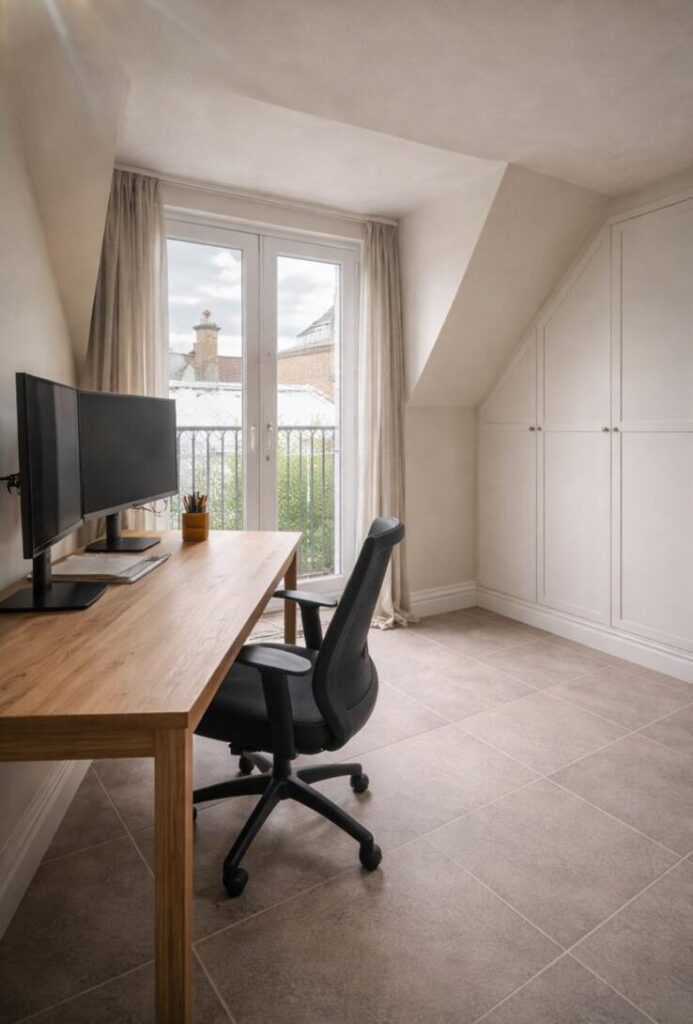
Why South London Homeowners Are Choosing Loft Conversions
South London has seen remarkable property price growth over the past decade. Areas that were once overlooked — Peckham, Lewisham, Catford, Crystal Palace — have become highly sought-after, and established neighbourhoods like Clapham, Balham, and Dulwich command prices that rival many parts of North London.
The housing stock across South London is particularly well-suited to loft conversions. Victorian and Edwardian terraces dominate the inner south London boroughs — Lambeth, Southwark, Lewisham, and Wandsworth — and most of these properties have pitched roofs with generous ridge heights and rear outriggers that are ideal for dormer and L-shaped conversions.
Further out, in areas like Bromley, Croydon, and Sutton, you’ll find larger detached and semi-detached properties from the 1930s and 1950s, many of which have hipped roofs with significant unconverted loft space.
A loft conversion in South London can add between 15% and 25% to your property’s value. In areas like Clapham or Dulwich, where average house prices exceed £700,000, that represents a potential uplift of £105,000–£175,000. Even in more affordable outer South London boroughs, the return on investment is consistently strong.
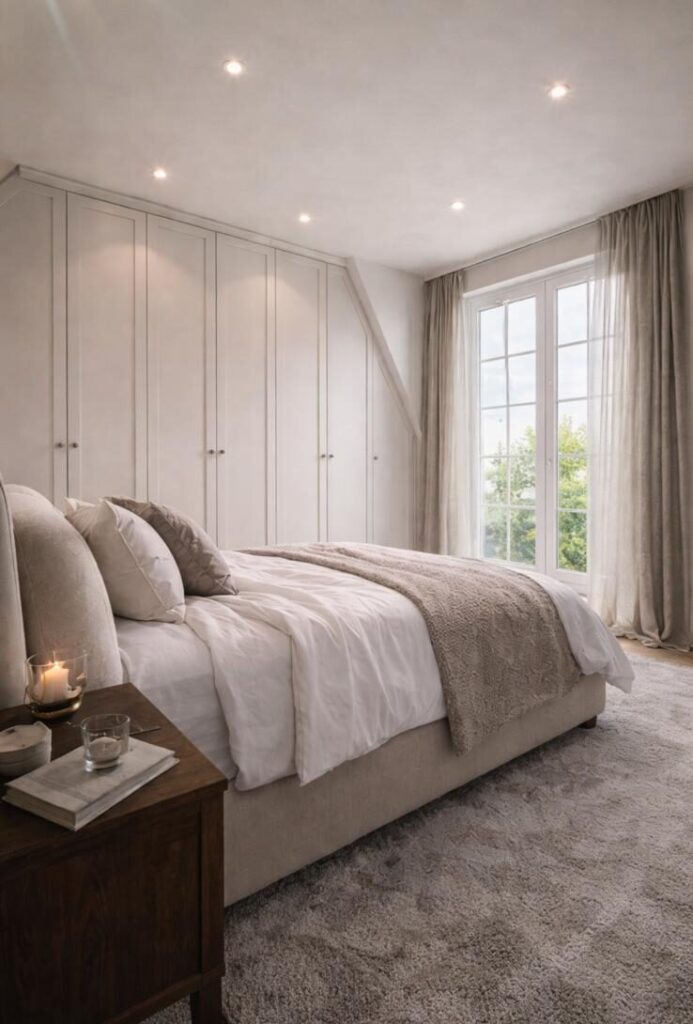
Types of Loft Conversions Perfect for South London Homes
The dormer is the most popular loft conversion type across South London. It extends vertically from the existing roof slope, creating a box-shaped structure that dramatically increases both headroom and usable floor space.
Rear dormers are particularly common across the terraced streets of Brixton, Clapham, Peckham, Herne Hill, and Lewisham. They sit at the back of the property and are typically invisible from the street — an important consideration in areas with strong neighbourhood character and active planning departments.
Most rear dormers in South London fall within permitted development, though properties in conservation areas require a full planning application.
The mansard is the most substantial option, creating a near-vertical rear wall and a shallow-pitched roof that maximises internal space. It’s the preferred choice for homeowners who want a full additional storey — typically a master bedroom with en suite and dressing room, or two separate rooms.
Mansard conversions are particularly well-suited to the Victorian and Edwardian terraces found across Lambeth, Southwark, and Lewisham. They require full planning permission and are subject to detailed design scrutiny in conservation areas, but the space they create is unmatched.
Typical cost in South London: £52,000–£78,000
Hip-to-gable conversions are suited to detached and semi-detached properties with hipped roofs — a common feature on 1930s and 1950s housing across Bromley, Croydon, Sutton, Merton, and parts of Wandsworth. The conversion replaces one sloping hip with a vertical gable wall, significantly increasing the internal volume.
Hip-to-gable conversions are often combined with a rear dormer for maximum effect and almost always require planning permission, as they alter the external appearance of the property.
Typical cost in South London: £40,000–£60,000
The Velux — or rooflight — conversion is the most straightforward and cost-effective option. It adds roof windows to the existing slope without altering the roofline, flooding the space with natural light and creating a usable room with minimal structural intervention.
Velux conversions are ideal for South London properties where the existing loft already has sufficient headroom — typically 2.2 metres or more from floor to ridge. They almost always fall within permitted development rights and are the quickest route to a new habitable room.
Typical cost in South London: £20,000–£32,000
The L-shaped dormer is one of the most popular choices for South London’s Victorian and Edwardian terraces. It combines a rear dormer with a side return extension over the back addition — the rear outrigger that is a defining feature of so much of South London’s housing stock.
The result is a significantly larger loft space — often large enough to accommodate a master bedroom with en suite and a separate home office or second bedroom. L-shaped dormers are ideal for families who need to maximise every square metre.
Typical cost in South London: £50,000–£70,000
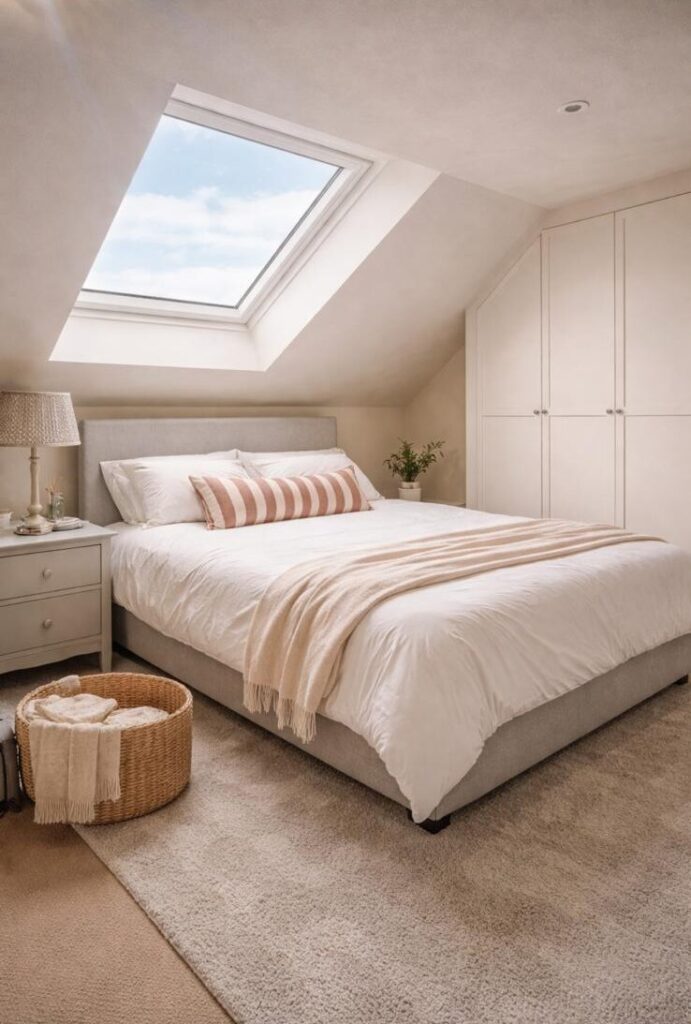
Planning Permission for Loft Conversions in South London
South London spans a large number of boroughs — Lambeth, Southwark, Lewisham, Greenwich, Bromley, Croydon, Sutton, Merton, Wandsworth, and Kingston upon Thames — each with its own planning policies and conservation area designations.
Permitted Development Rights
Many loft conversions in South London can proceed under permitted development rights without a formal planning application. The key criteria are:
- Additional volume must not exceed 40 cubic metres for terraced houses or 50 cubic metres for detached and semi-detached properties
- The conversion must not extend beyond the highest point of the existing roof
- No extension forward of the principal elevation
- Side-facing windows must be obscure-glazed and non-opening below 1.7 metres
- Materials must be similar in appearance to the existing house
We strongly recommend obtaining a Lawful Development Certificate even when planning permission isn’t required. It provides legal confirmation of the work’s lawfulness and is invaluable when selling the property.
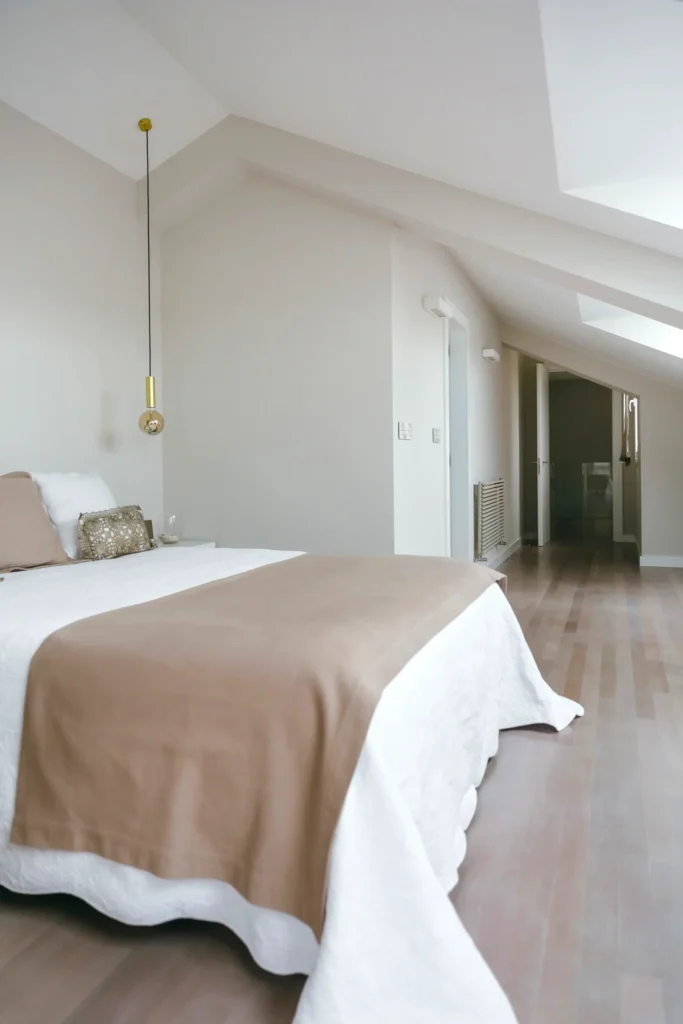
Conservation Areas in South London
South London has an extensive network of conservation areas, particularly in the inner boroughs. Key areas include:
- Lambeth: Brixton, Clapham, Streatham Hill, Tulse Hill, Stockwell
- Southwark: Peckham, Dulwich Village, Camberwell, Bermondsey
- Lewisham: Blackheath, Hither Green, Forest Hill, Sydenham
- Greenwich: Blackheath, Greenwich town centre, Charlton
- Wandsworth: Balham, Tooting, Clapham Junction, Battersea
- Bromley: Beckenham, Chislehurst, Petts Wood, Shortlands
In conservation areas, permitted development rights are often restricted or removed entirely. Front dormers are almost always refused, and rear dormers must be carefully designed to preserve the character of the area. Our team has extensive experience working within these constraints across all South London boroughs.
Article 4 Directions
Several South London boroughs have introduced Article 4 directions that remove permitted development rights in specific areas. Lambeth and Southwark in particular have extensive Article 4 coverage. Our team checks the planning status of your property as part of the initial survey.
Building Regulations for Loft Conversions in South London
All loft conversions in South London must comply with building regulations, regardless of whether planning permission is required.
Structural integrity — New structural beams and strengthened floor joists are required in virtually all loft conversions. A structural engineer’s calculations must be submitted to building control before work begins.
Fire safety — A loft conversion creates a new storey, which triggers enhanced fire safety requirements. This typically means a protected staircase, fire doors on each landing, and interlinked smoke alarms throughout the property.
Insulation — Current building regulations require loft conversions to meet strict thermal performance standards. Between-rafter insulation, rigid board insulation, or a combination of both will be specified depending on the roof type.
Ventilation — Habitable rooms and bathrooms must be adequately ventilated. Mechanical extract ventilation is required in any en suite or bathroom.
Staircase — The new staircase must comply with regulations on headroom, pitch, rise, and going. Minimum headroom is 2 metres at the centre of the stair.
Party wall — In South London’s densely terraced streets, party wall agreements are almost always required. We handle the party wall process on your behalf.
How Much Does a Loft Conversion Cost in South London?
South London covers a wide geographic and economic range, and costs vary accordingly. Inner South London boroughs — Lambeth, Southwark, Wandsworth — typically command higher labour costs than outer boroughs like Croydon, Sutton, or Bromley.
Conversion Type | Typical Cost in South London |
Velux / Rooflight | £20,000 – £32,000 |
Dormer (rear) | £32,000 – £52,000 |
Hip-to-Gable | £40,000 – £60,000 |
L-Shaped Dormer | £50,000 – £70,000 |
Mansard | £52,000 – £78,000 |
What’s Included in the Price?
Every Neo Lofts quote includes:
- Initial survey and structural assessment
- Architectural drawings and planning documentation
- Building regulations application and liaison
- All structural steelwork and carpentry
- Roof alterations and weatherproofing
- Insulation to current standards
- First-fix electrics and plumbing
- Staircase supply and installation
- Plastering and decoration (to first-fix standard)
- Completion certificate
Key Cost Factors
- Roof structure— Cut roofs on pre-1960s properties are generally more straightforward to convert than trussed roofs on post-war housing
- Party wall— Surveyor fees of £800–£2,000 per neighbour apply in most terraced and semi-detached properties
- Conservation area— Additional design requirements and planning fees apply
- Specification— Bathroom quality, flooring, and bespoke joinery all affect the final cost
- Access— Tight urban streets can add to scaffolding and logistics costs
How Long Does a Loft Conversion Take in South London?
Stage | Typical Duration |
Initial survey and design | 2–4 weeks |
Planning application (if required) | 8–10 weeks |
Building regulations approval | 4–6 weeks |
Construction | 5–10 weeks |
Fit-out and finishing | 2–4 weeks |
A Velux conversion can be completed in as little as five to six weeks. A mansard or L-shaped dormer requiring planning permission may take five to six months in total.
Loft Conversion Design Ideas for South London Homes
Areas We Cover in South London
Neo Lofts London carries out loft conversions across all of South London, including:
- Lambeth— Brixton, Clapham, Stockwell, Streatham, Herne Hill, Tulse Hill, West Norwood
- Southwark— Peckham, Dulwich, Camberwell, Bermondsey, Borough, East Dulwich
- Lewisham— Lewisham, Catford, Forest Hill, Sydenham, Hither Green, Lee
- Greenwich— Blackheath, Greenwich, Charlton, Eltham, Woolwich, Kidbrooke
- Wandsworth— Balham, Tooting, Clapham Junction, Battersea, Earlsfield, Putney
- Bromley— Beckenham, Bromley town, Chislehurst, Petts Wood, Orpington, Shortlands
- Croydon— Croydon, Purley, Coulsdon, South Norwood, Thornton Heath, Selhurst
- Sutton— Sutton, Cheam, Carshalton, Wallington, Belmont
- Merton— Wimbledon, Morden, Mitcham, Raynes Park, Colliers Wood
- Kingston upon Thames— Kingston, New Malden, Surbiton, Tolworth
Why Use a Specialist Loft Conversion Company in South London?
South London’s planning landscape is complex. Multiple boroughs, extensive conservation area coverage, widespread Article 4 directions, and the party wall implications of densely terraced streets all mean that a loft conversion here requires specialist knowledge — not just building skills.
At Neo Lofts London, we have extensive experience working across all of South London’s boroughs. We know which conservation areas have the strictest design requirements, which councils are most likely to approve a particular type of dormer, and how to navigate the party wall process efficiently in streets where every property shares a wall.
Every project comes with:
- An insurance-backed guarantee— A genuine insurance policy, not just a builder’s warranty. Your investment is protected regardless of what happens to the contractor.
- Deposit protection— Your upfront payment is secured from day one.
- Full project management— We handle planning, building regulations, party wall, and construction. You have one point of contact throughout.
Our Process: From Survey to Completion
We visit your property, assess the loft space, and discuss your goals. We’ll give you an honest assessment of what’s achievable and which type of conversion is best suited to your home.
Our architects produce detailed drawings. You review and approve the design before anything is submitted to the council.
We handle all planning applications, building regulations submissions, and party wall notices. We liaise with the relevant borough council on your behalf.
Our experienced team carries out all structural, roofing, and carpentry work to programme. We keep the site tidy and communicate progress throughout.
Electrics, plumbing, and bathroom installations are completed by our qualified tradespeople.
The space is plastered, painted, and finished to a high standard. Flooring and joinery are installed.
Building control carries out a final inspection and issues a completion certificate — essential for future property sales.
Get a free quote
For a free site survey please fill out the form below and we’ll get back to you, or call our freephone number
0204 569 0618
if you have any questions.
Get Your Free South London Loft Conversion Quote
If you’re thinking about a loft conversion anywhere across South London, we’d love to talk. Get in touch with our team today for a free, no-obligation consultation and survey at your home.
Visit us at www.neoloftslondon.co.uk or email the team at info@neoloftslondon.co.uk or call us on 0204 569 0618.
Neo Lofts London, quality loft conversions across South London and the surrounding areas.
Frequently Asked Questions About Loft Conversions in South London
Do I need planning permission for a loft conversion in South London?
It depends on your borough, property type, and location. Many conversions fall within permitted development, but South London has extensive conservation area coverage and Article 4 directions that can remove PD rights. We check your property’s planning status as part of the free survey.
How much value will a loft conversion add in South London?
Typically 15%–25% of the property’s value. In areas like Clapham or Dulwich, where average prices exceed £700,000, that can mean an uplift of £105,000–£175,000. Even in more affordable outer South London boroughs, the return on investment is strong.
Do I need a party wall agreement?
If your property shares a wall with a neighbour — as is the case with most terraced and semi-detached homes in South London — yes. We serve party wall notices and manage the process on your behalf.
Will I need to move out during the build?
No. In the vast majority of cases, you can remain in the property throughout the construction. The work is carried out from the roof down, and disruption to the living areas is minimal.
What is an insurance-backed guarantee?
An IBG is an insurance policy that protects your investment even if the building company ceases to trade. All Neo Lofts projects include an IBG as standard.
What is deposit protection?
Deposit protection means your upfront payment is held securely and returned to you if the project doesn’t proceed. It protects you from losing your deposit if a contractor goes out of business or fails to start work.
Can I convert my loft if I live in a conservation area?
Yes, in most cases — but the design will need to comply with the conservation area’s specific requirements. Front dormers are almost always refused, and rear dormers must be carefully designed. We have extensive experience working in South London’s conservation areas.
How long does the planning process take?
The standard determination period for a householder planning application is eight weeks. In practice, some applications take longer, particularly in busy boroughs. We prepare thorough, well-presented applications to minimise the risk of delays.
Can I add a bathroom to my loft conversion?
Yes and we’d strongly recommend it. An en suite significantly increases the value and usability of the space. Our team includes qualified plumbers and tilers.
How do I get started?
Contact Neo Lofts London to book your free survey. We’ll visit your property, assess the space, and provide a detailed, no-obligation quote. There’s no pressure and no commitment — just straightforward, expert advice.