

Uncategorized
Double Dormer Loft Conversions: Maximising Space in London Homes
When a single rear dormer is not enough, a double dormer loft conversion is the natural next step. For London
There’s a point most London homeowners reach where the house just stops working. The kids are sharing rooms they’ve long outgrown. The spare bedroom doubles as a dumping ground because there’s nowhere else to put things. The home office is a corner of the kitchen table. You know you need more space, but the thought of moving in London — the stamp duty, the legal fees, the upheaval — makes you want to sit down and have a very strong cup of tea.
A dormer loft conversion is often the answer. It’s the most popular type of loft conversion in London for good reason. It works on a wide range of properties, it adds a significant amount of usable space, and it typically delivers a strong return on investment in a city where every square foot of floor space has real value.
At Neo Lofts London, we’ve carried out dormer conversions across the capital, from Victorian terraces in Islington to 1930s semis in Finchley. If you’re thinking about converting your loft, a dormer is almost certainly worth exploring.
Trustindex verifies that the original source of the review is Google. Just had a rear dormer loft conversion completed by Neo Lofts in Balham and couldn’t be happier. We now have a beautiful double bedroom and separate bathroom which has added serious value to the house. Communication was clear, the drawings were sorted fast and every stage of the build felt smooth. They really do what they say – no corners cut, no dodgy workmanship. Loads of our neighbours are asking who did the work and we’re already recommending Neo Lofts to others in the area.Posted on GoogleTrustindex verifies that the original source of the review is Google. My wife and I moved to London from Melbourne, Australia last year, and as keen DIY people we were looking for a proper doer-upper. We decided that a loft conversion was the best way to add space and value, and wanted to get this completed before touching the rest of the house. Being new to the UK, we had no contacts or recommendations, so we found Neo Lofts through Google and arranged a quote. They came out the very next day and took the time to talk us through all the options and possibilities for the loft. From the first meeting, communication was excellent — they were easy to reach, answered questions clearly, and never rushed us. As first-time homeowners in the UK, we were naturally a bit apprehensive, but Neo Lofts made the whole process feel straightforward and well managed. Their knowledge, transparency, and reliability gave us real confidence in our decision. We’re very glad we chose Neo Lofts and wouldn’t hesitate to recommend them to anyone considering a loft conversion.Posted on GoogleTrustindex verifies that the original source of the review is Google. We live in Wandsworth and were looking to add space without going through the stress of moving. A loft conversion made the most sense, but choosing the right company was important to us as we wanted the job done properly, not rushed. After comparing a few options, we found Neo Lofts and arranged a visit. From the first meeting, they were professional, knowledgeable, and clearly experienced with loft conversions in the area. They explained what was realistically achievable with our property and were upfront about costs, timelines, and the process. Communication throughout was excellent. Any questions we had were answered quickly, and we always felt informed and in control. The team were organised, respectful of the house, and everything ran as expected. The finished loft has completely transformed how we use our home and has added real value to the property. We wouldn’t hesitate to recommend Neo Lofts to anyone in Wandsworth considering a loft conversion.Posted on GoogleTrustindex verifies that the original source of the review is Google. We had a hip to gable loft conversion done on our semi-detached house in Dulwich and the results are brilliant. The build team were tidy, respectful and kept us in the loop throughout. What stood out to us was how well organised the whole process was, especially the payment stages and project management. Neo Lofts made the experience straightforward and stress-free. If you’re looking for a loft conversion company in South London with high standards, these guys are worth speaking to.Posted on GoogleTrustindex verifies that the original source of the review is Google. Neo Lofts completely transformed our home in Clapham. From the first site visit to the final handover, the whole team was professional, punctual and genuinely cared about the end result. They helped us design a dormer loft with a large master bedroom and en-suite, and managed everything including structural drawings and building control. The quality of finish is outstanding and the project was completed on time. We spoke to a few loft conversion companies in South London before choosing Neo and we’re so glad we did. Highly recommend.Posted on Google
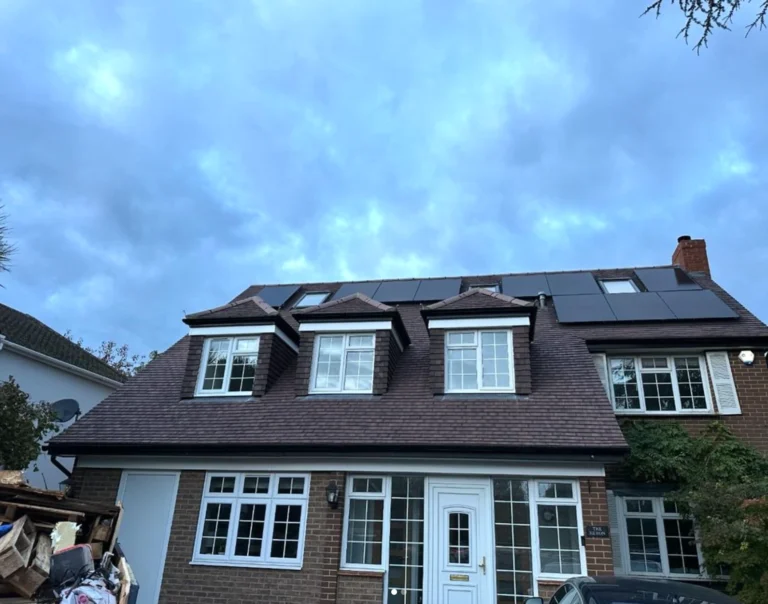
A dormer conversion involves building a box-shaped extension that projects outward from the existing roof slope. The extension has a vertical front wall and a flat or low-pitched roof, which creates a substantial increase in both floor area and headroom compared to the original loft space.
The most common version is the rear dormer, which extends across the full width of the back of the property. This is the type you’ll see on thousands of terraced and semi-detached homes across London. It’s built to the rear, which means it’s less visible from the street, and in many cases it falls within permitted development rights, so planning permission is not required.
There are other variations too. A side dormer is built into the side slope of the roof rather than the rear. An L-shaped dormer combines a rear dormer with a second dormer over a rear outrigger, which is particularly effective on Victorian terraces with a back addition. We’ll always advise on the best configuration for your specific property.
London’s housing stock is dominated by terraced and semi-detached properties built between the 1880s and the 1950s. These homes were designed for a different era. They’re well built and often in excellent locations, but they weren’t designed with modern family life in mind.
The loft space in these properties is often underused. It’s there, it’s structurally sound, but it’s either full of boxes or completely empty. A dormer conversion takes that dead space and turns it into something genuinely useful.
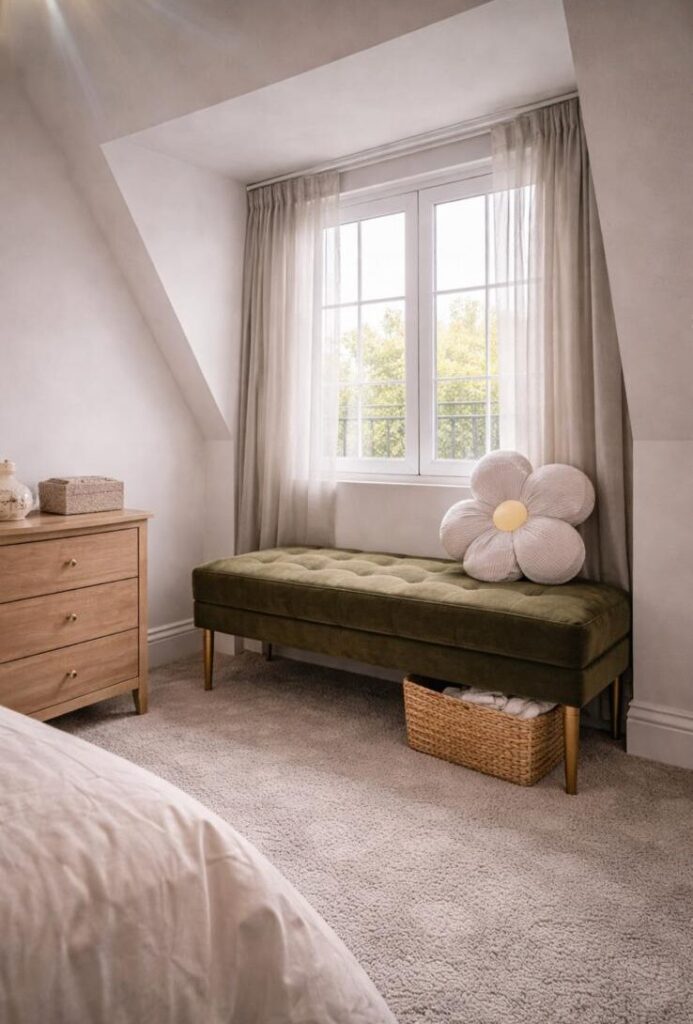
Because the dormer adds vertical walls where the roof slope previously cut in, you end up with a room that feels like a proper room rather than a cramped attic. You can stand up throughout most of the space, fit a standard bed without it sitting at an angle, and use the room for whatever you actually need it for.
In terms of value, a well-executed dormer conversion in London typically adds between 15% and 25% to the value of the property. In areas where property prices are high, that can represent a significant return on the cost of the work.
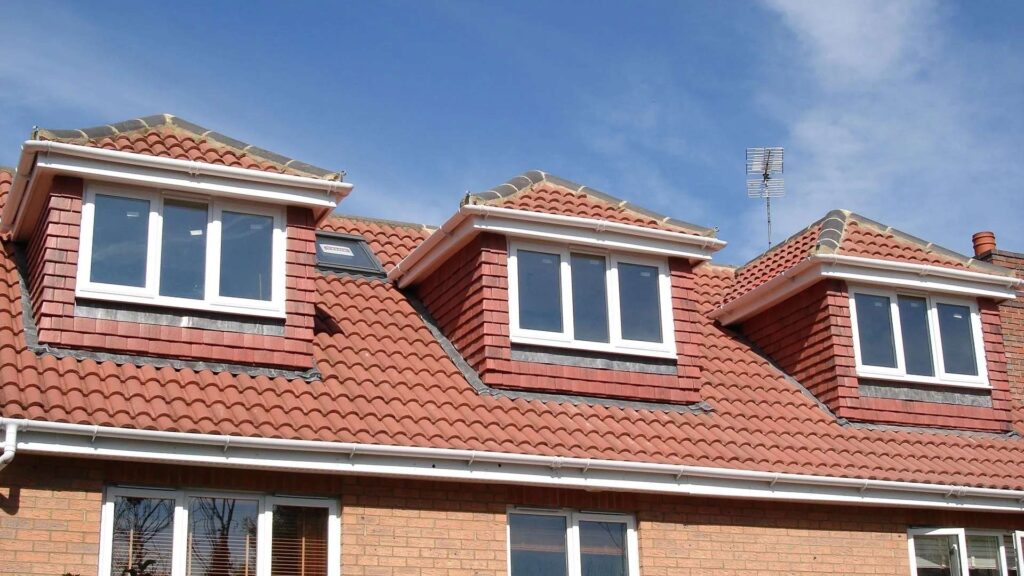
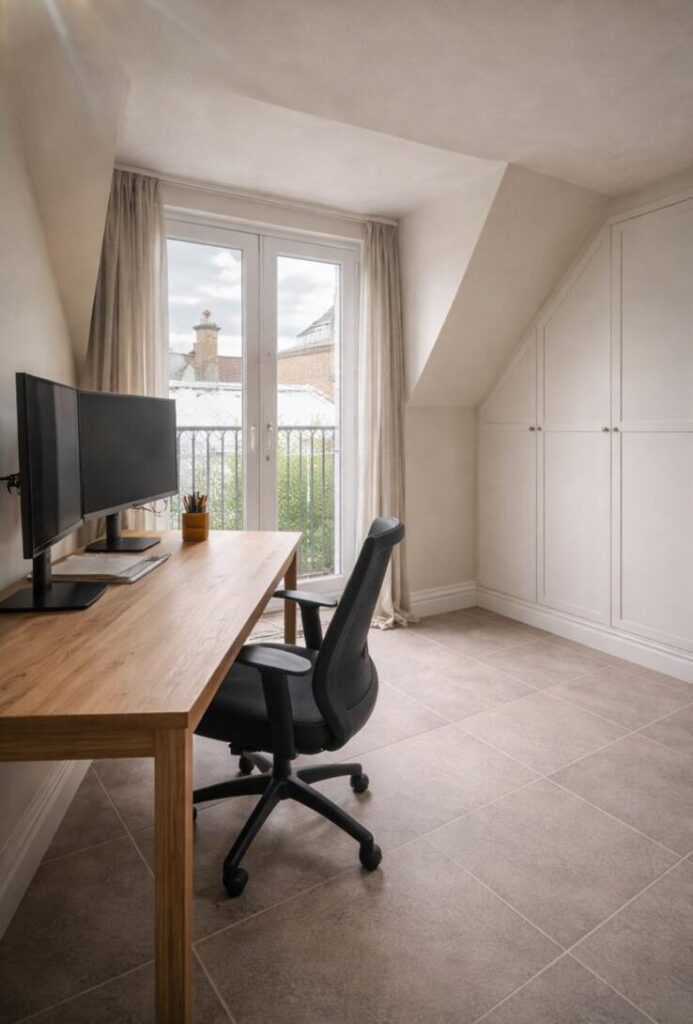
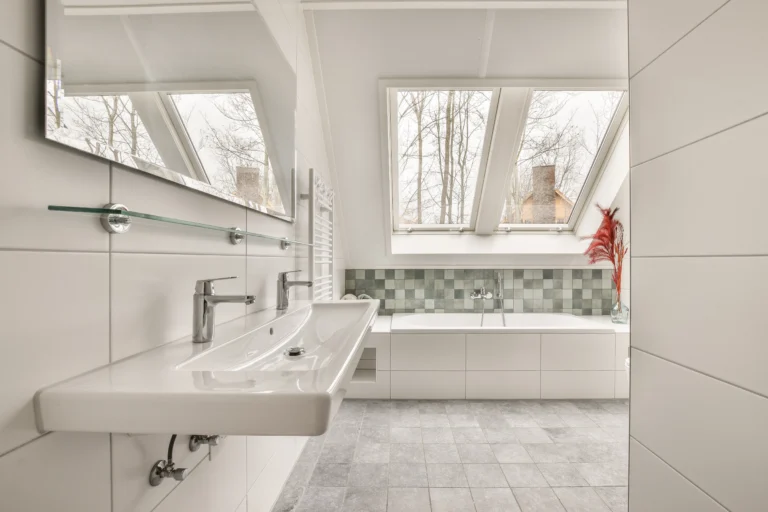
The most common use is a master bedroom with an en-suite bathroom. Adding a bedroom at the top of the house, away from the noise of the rest of the family, with its own bathroom, is something a lot of London homeowners want. A full-width rear dormer gives you enough space to do this comfortably.
Other popular uses include:
The space can also be divided to create two smaller rooms if that suits your needs better. We’ll talk through the options with you during the consultation.
One of the reasons dormer conversions are so popular in London is that many of them fall within permitted development rights. This means you can carry out the work without going through the full planning application process, which saves time and money.
The rules around permitted development for dormer conversions include restrictions on the volume of the extension, its position relative to the ridge and eaves, and its appearance. Rear dormers that don’t exceed the original roof volume by more than 40 cubic metres (for terraced houses) or 50 cubic metres (for detached and semi-detached houses) will often qualify.
However, there are situations where planning permission is required. These include:
If you’re in a conservation area — and there are many across London, from Highgate to Hampstead to parts of Islington — the design of the dormer will need to meet the local authority’s requirements. This doesn’t mean a dormer is off the table, but it does mean the design process needs more care.
Neo Lofts London will handle the planning side of the project. We’ll advise you on whether your conversion falls within permitted development or requires a planning application, and we’ll manage the process on your behalf.
A dormer loft conversion typically takes between 8 and 12 weeks from start to finish, depending on the size and complexity of the project. Here’s a general outline of how the process works.
The first stage is the structural work. We’ll install the steel beams and structural supports that form the basis of the new floor and the dormer structure. This is the most disruptive part of the project, but it’s also the quickest.
Once the structure is in place, we’ll build the dormer frame, install the flat roof, and make the exterior weathertight. At this point the project is protected from the elements and the internal fit-out can begin.
The internal work includes insulation, plasterboarding, first and second fix electrics and plumbing, plastering, flooring, and joinery. We’ll also install the staircase that connects the new loft room to the floor below.
Throughout the project, you’ll have a dedicated point of contact at Neo Lofts London. We’ll keep you updated on progress and let you know in advance about anything that might affect your daily routine.
Dormer loft conversions in London start from £45,000. The final cost depends on a number of factors, including the size of the dormer, the specification of the internal fit-out, whether an en-suite is included, and the complexity of the structural work.
We’ll provide a detailed, itemised quote after the initial consultation. There are no hidden costs and no vague estimates. You’ll know exactly what you’re getting and what it costs before any work begins.
Every project we carry out is backed by our insurance-backed guarantee and deposit protection scheme. Your money is protected from the moment you pay your deposit, and the guarantee covers the quality of the work after completion.
We’re a London-based loft conversion company with experience across the full range of conversion types and property styles. We work on terraced houses, semi-detached houses, detached houses, and period properties. We know the planning rules across the different London boroughs, and we understand the specific challenges that come with working on older properties in conservation areas.
Our team includes experienced tradesmen who take pride in the quality of their work. We don’t cut corners, and we don’t subcontract to whoever happens to be available. The people who work on your home are people we trust.
We also know that a loft conversion is a significant investment, and we treat it as such. From the first consultation to the final sign-off, we’ll keep you informed, answer your questions honestly, and make sure the finished result is something you’re genuinely pleased with.
To find out whether a dormer loft conversion is right for your home, get in touch with the team.
Visit us at www.neoloftslondon.co.uk or email us at office@neoloftslondon.co.uk.
For a free site survey please fill out the form below and we’ll get back to you, or call our freephone number 0204 569 0618 if you have any questions.
If you’re thinking about a loft conversion anywhere across North London, we’d love to talk. Get in touch with our team today for a free, no-obligation consultation and survey at your home.
Visit us at www.neoloftslondon.co.uk or email the team at info@neoloftslondon.co.uk or call us on 0204 569 0618.
Neo Lofts London, quality loft conversions across North London and the surrounding areas.
What is a dormer loft conversion?
A dormer loft conversion involves building a box-shaped extension that projects from the existing roof slope, adding vertical walls and a flat or low-pitched roof. This significantly increases the usable floor space and headroom in the loft.
How much does a dormer loft conversion cost in London?
Dormer loft conversions in London start from £45,000. The final cost depends on the size, specification, and complexity of the project. Neo Lofts London provides detailed, itemised quotes after the initial consultation.
Do I need planning permission for a dormer loft conversion in London?
Many dormer conversions fall within permitted development rights and do not require planning permission. However, properties in conservation areas, listed buildings, and conversions that exceed volume limits will require a planning application. We’ll advise you on your specific situation.
How long does a dormer loft conversion take?
Most dormer conversions take between 8 and 12 weeks from start to finish. The timeline depends on the size and complexity of the project.
Will a dormer loft conversion add value to my London home?
Yes. A well-executed dormer conversion typically adds between 15% and 25% to the value of a London property. In high-demand areas, the return can be significant.
What is the difference between a dormer and a Velux loft conversion?
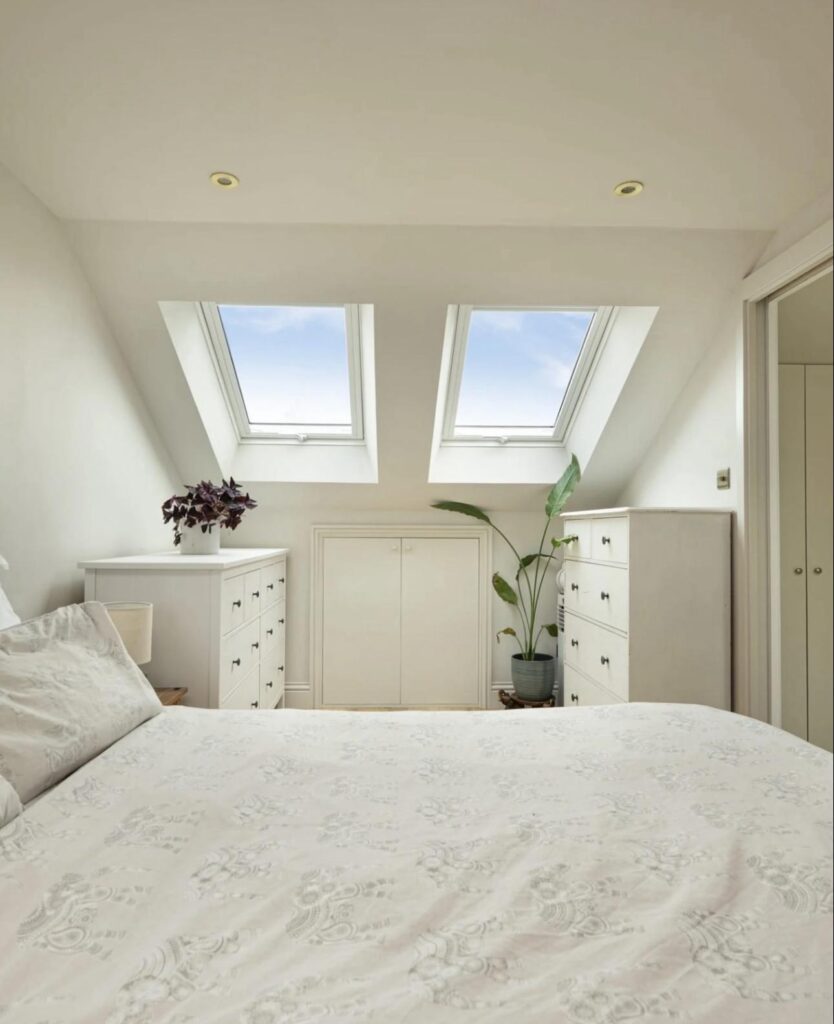
A Velux conversion installs roof windows into the existing roof slope without altering the roof structure. A dormer extends outward from the roof slope, adding vertical walls and significantly more usable space.
Can I have a dormer loft conversion if I live in a conservation area?
Yes, but the design will need to meet the conservation area’s requirements and planning permission will almost certainly be required. Neo Lofts London has experience working in conservation areas across London.
What can I use a dormer loft conversion for?
Dormer conversions are commonly used as master bedrooms with en-suites, children’s rooms, home offices, guest bedrooms, or hobby spaces. The space can also be divided into two smaller rooms if needed.
Is a dormer loft conversion suitable for terraced houses?
Yes. Rear dormer conversions are one of the most common types of loft conversion on London terraced houses. They add significant space and often fall within permitted development rights.
How do I get started with a dormer loft conversion in London
Contact Neo Lofts London for a free consultation. We’ll assess your property, advise on the best approach, and provide a clear quote. Visit www.neoloftslondon.co.uk or email office@neoloftslondon.co.uk.
When a single rear dormer is not enough, a double dormer loft conversion is the natural next step. For London
For a free site survey please fill out the form below and we’ll get back to you, or call our freephone number 0204 569 0618 if you have any questions.