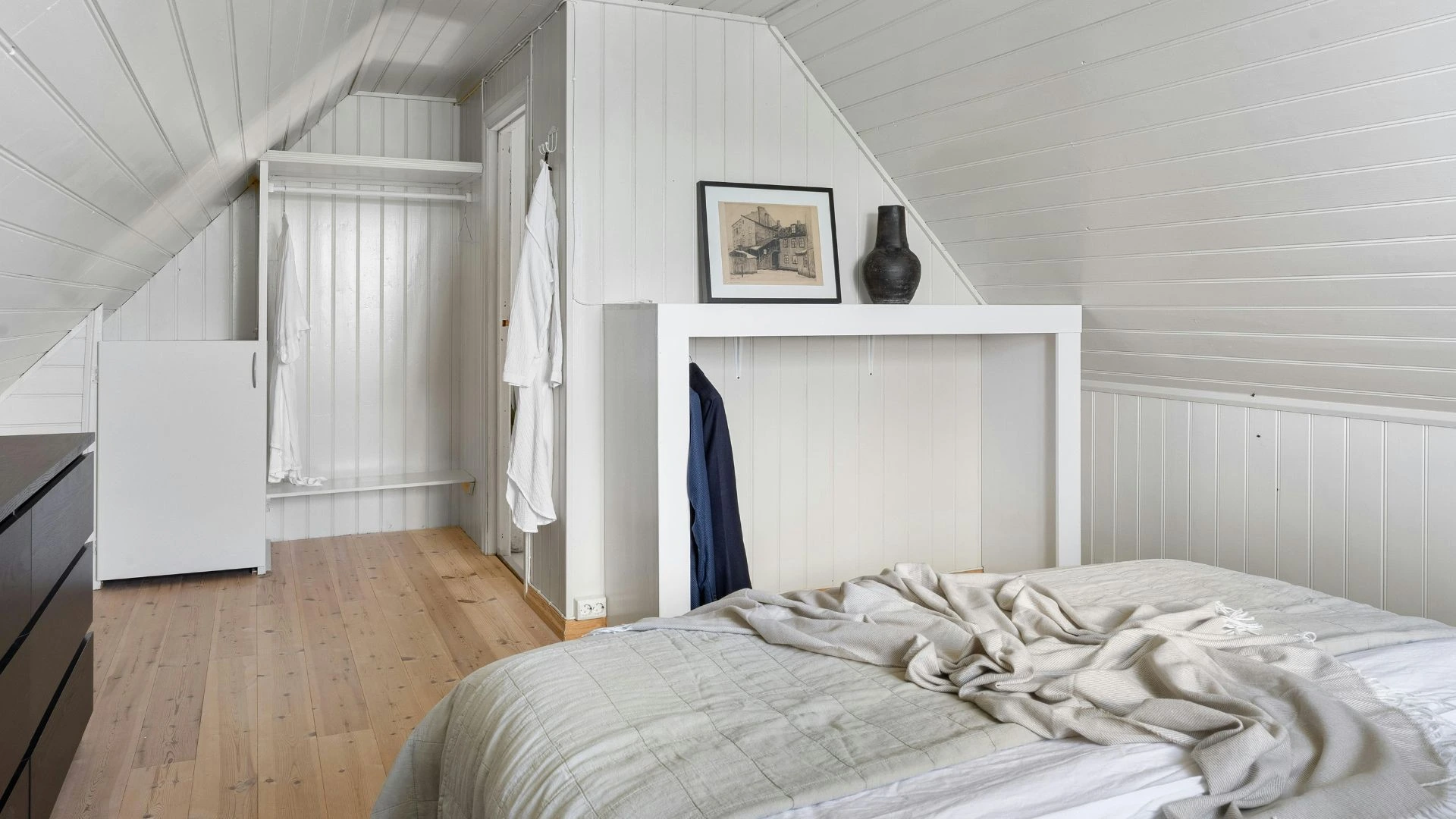
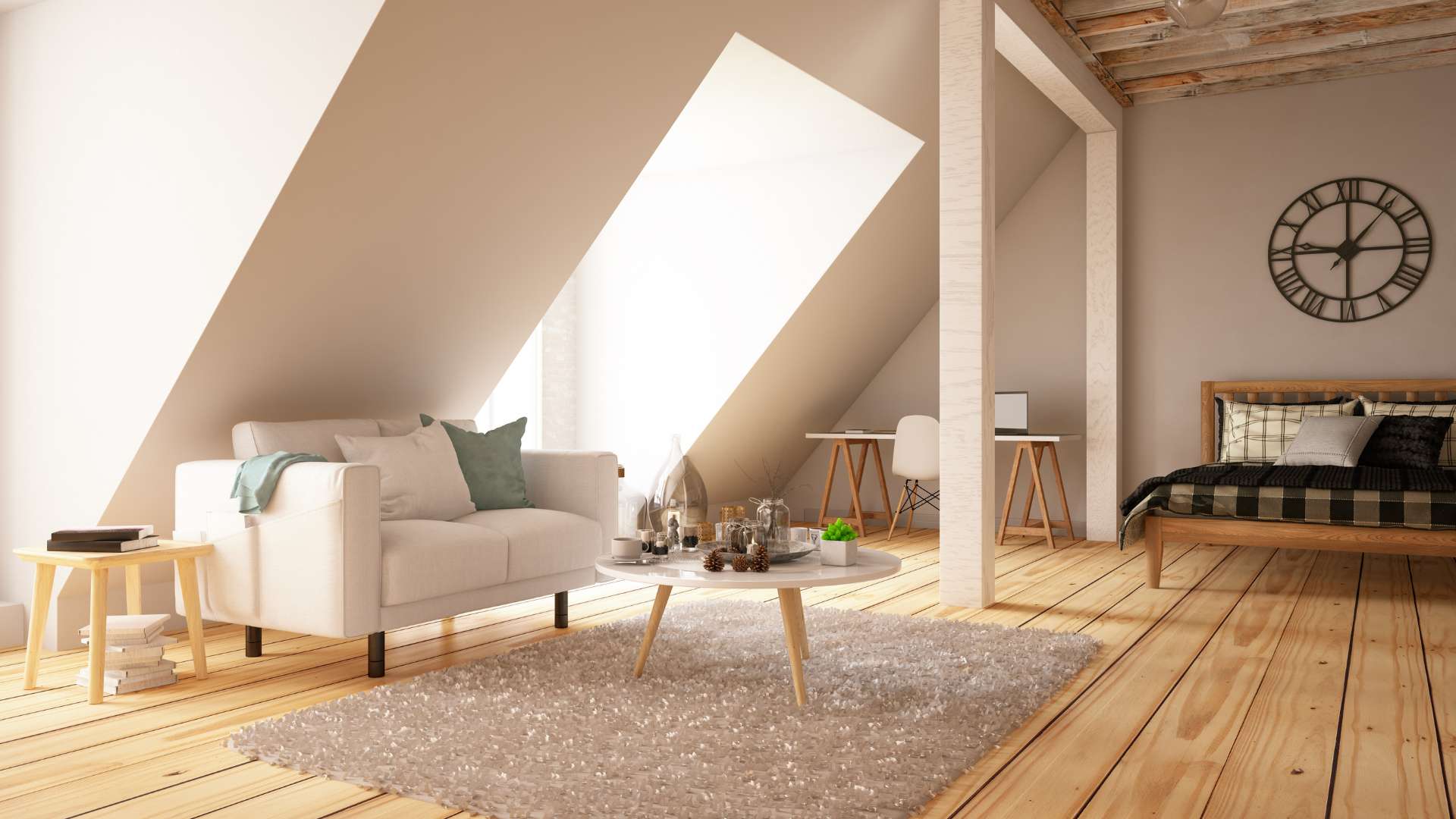
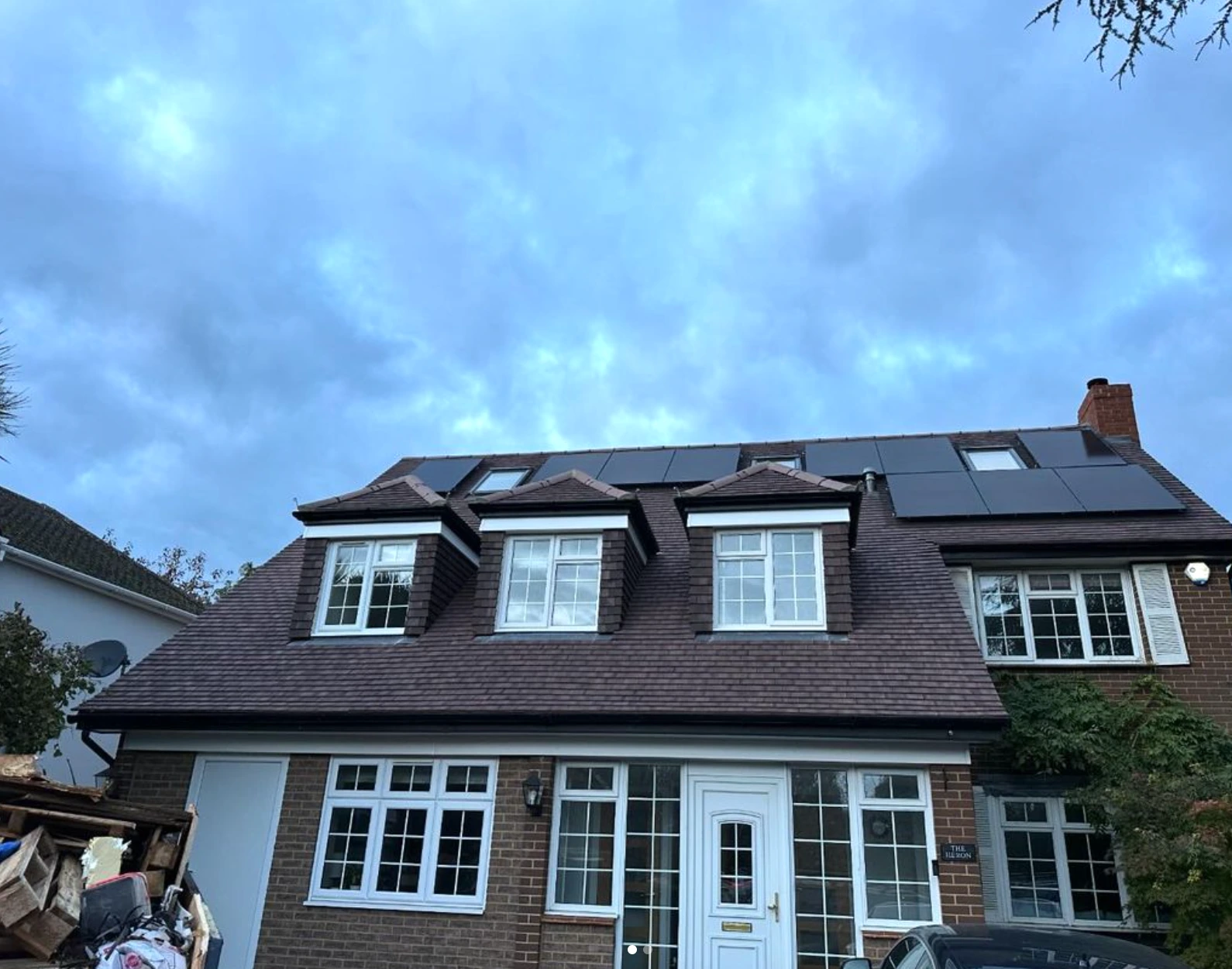
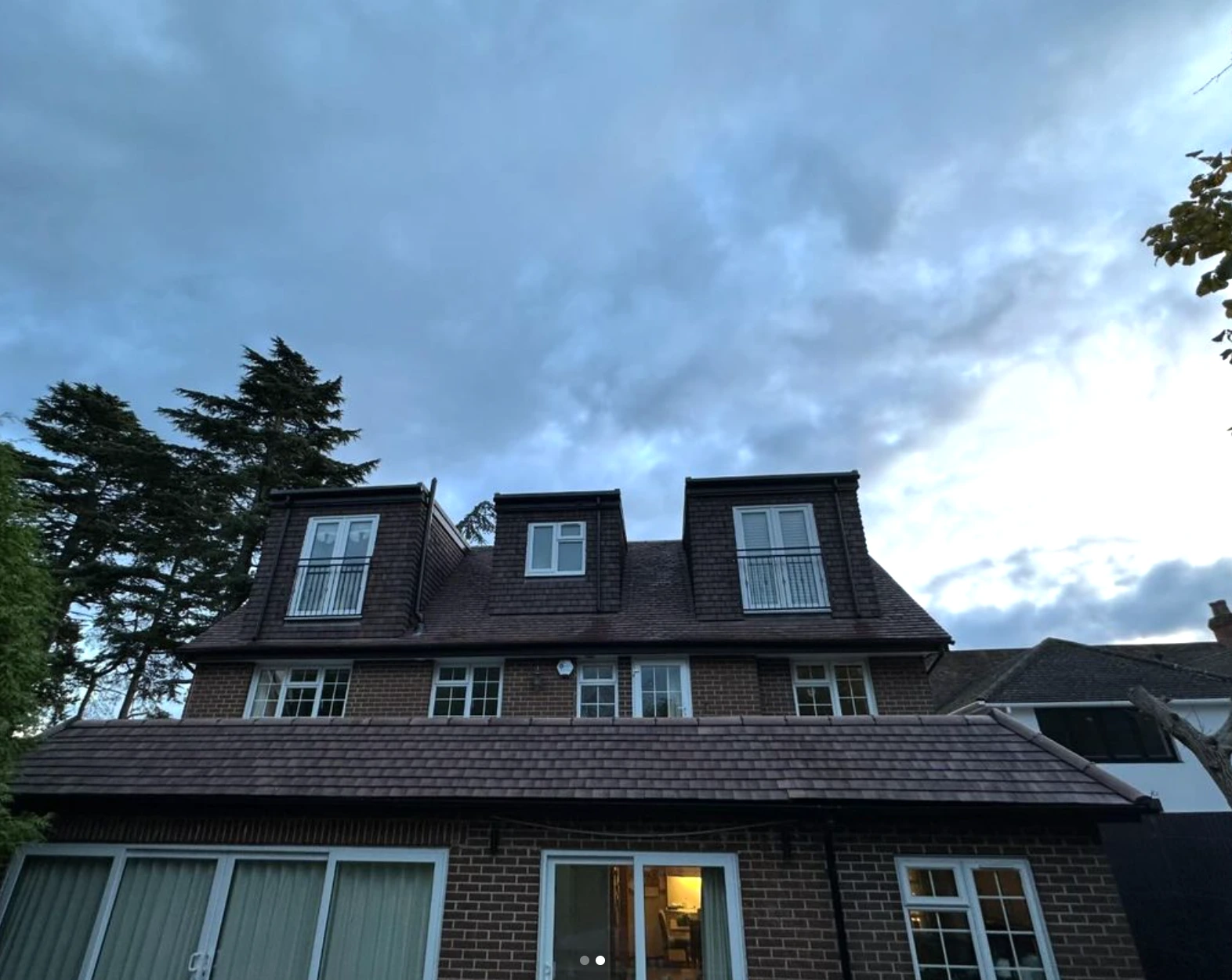
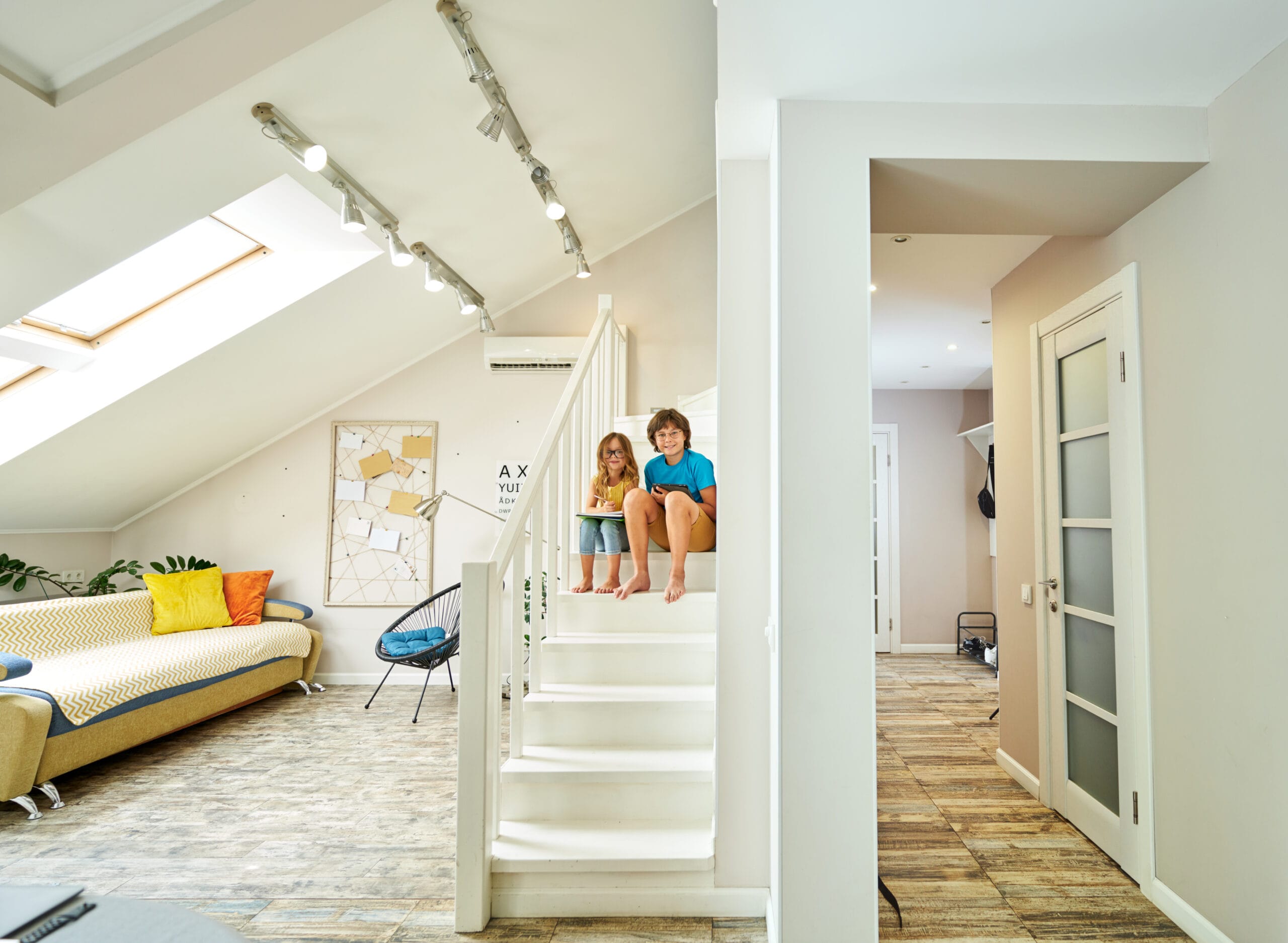
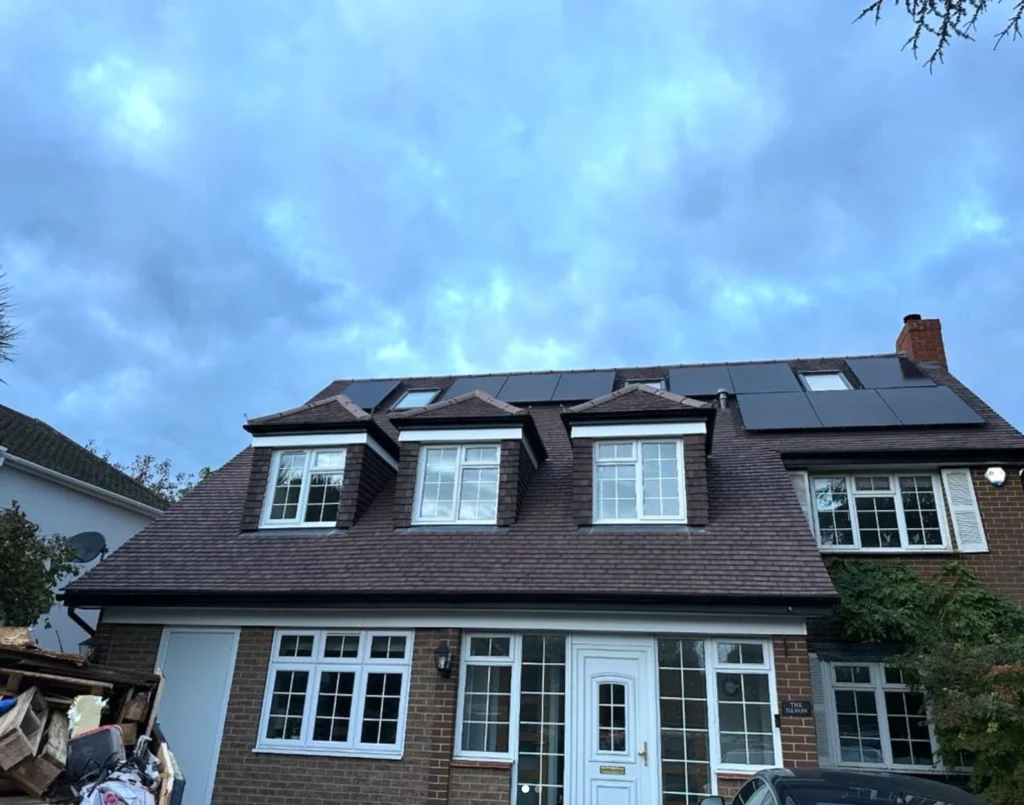
The dormer loft conversion is the most popular choice for London homeowners, and for good reason. It suits the vast […]
Double Dormer Loft Conversions: Maximising Space in London Homes
When a single rear dormer is not enough, a double dormer loft conversion is the natural next step. For London homeowners who want to create multiple rooms in the loft, or who have a larger property and want to make the most of every square metre available, a double dormer configuration offers a level of space and flexibility that a standard single dormer simply cannot match. This guide covers everything you need to know about double dormer loft conversions in London, including what they involve, how they differ from other conversion types, what they cost, and whether your property is suitable.
What Is a Double Dormer Loft Conversion?
The term double dormer can refer to two slightly different configurations, and it is worth being clear about the distinction.
In the first and most common usage, a double dormer refers to a conversion that features two separate dormer windows on the front slope of the roof, typically added to improve light and ventilation in a loft that has already been converted, or as part of a new conversion where the rear is handled separately.
In the second and more significant usage, a double dormer refers to a conversion that includes a full-width rear dormer combined with a front dormer or dormers, effectively opening up both slopes of the roof to create a much larger and better-lit loft space.
For the purposes of this guide, we are focusing on the second interpretation, as this is the configuration that genuinely maximises space and is most relevant to homeowners looking to create a substantial, fully functional loft level.
How Does a Double Dormer Differ from a Standard Rear Dormer?
A standard rear dormer extends the rear slope of the roof to create a single, box-shaped room at the back of the property. It is an excellent option for adding one bedroom and possibly an en suite, and it is the most common loft conversion type in London.
A double dormer goes further. By adding dormer elements to both the front and rear of the roof, or by combining a full-width rear dormer with a substantial front dormer structure, the conversion creates a much more open and usable floor plan. The result is closer to a full additional storey than a simple loft room.
This approach works particularly well on larger Victorian and Edwardian properties in areas like Highgate, Muswell Hill, Crouch End, Hampstead Garden Suburb, and Chiswick, where the roof pitch and overall property size make it feasible to create a genuinely spacious loft level with multiple rooms, good natural light from both aspects, and a layout that feels like a proper floor of the house rather than an afterthought.
What Can You Do with a Double Dormer Loft Conversion?
The additional space created by a double dormer configuration opens up a wide range of possibilities.
Two bedrooms and a bathroom. This is the most popular configuration. A full-width rear dormer provides the main bedroom space, while the front dormer adds a second bedroom or a generous bathroom. For growing families in London who need an extra bedroom but cannot afford to move to a larger property, this is often the most practical solution available.
Master bedroom suite. A double dormer can create a genuinely luxurious master bedroom suite, with a large sleeping area, a walk-in wardrobe, and a full en suite bathroom. In higher-value areas of London, this kind of addition can significantly increase the appeal and saleability of a property.
Home office and bedroom combination. With remote working now a permanent feature of many people’s lives, the combination of a quiet home office and a guest bedroom in the loft is increasingly popular. A double dormer provides enough space to accommodate both without compromise.
Studio or creative space. For homeowners who work in creative fields or who want a dedicated space for music, art, or other pursuits, a double dormer loft conversion can create a bright, well-lit studio that is separate from the main living areas of the house.
Planning Permission for Double Dormer Loft Conversions
The planning situation for a double dormer conversion is more complex than for a standard rear dormer, and it is important to understand the rules before committing to a design.
Rear dormers, as discussed in other guides, often fall under permitted development rights. However, front dormers are treated very differently by planning authorities. Under the General Permitted Development Order, any dormer or roof alteration that is visible from a highway requires planning permission. This means that if your property faces a road, any front dormer will almost certainly require a formal planning application.
This does not mean front dormers are impossible to obtain permission for. Many London boroughs have a history of approving front dormers where the design is sympathetic to the character of the street and the surrounding properties. However, it does mean that the planning process is more involved, and there is no guarantee of approval.
In conservation areas, the rules are stricter still. Permitted development rights for roof alterations are removed entirely in most conservation areas, so both front and rear dormers will require planning permission. Local planning authorities in conservation areas will typically require that any dormer is designed to be as unobtrusive as possible, using materials that match the existing roof and avoiding designs that would be visible from the street.
If you are considering a double dormer conversion, it is essential to take early advice from a specialist who is familiar with the planning policies of your specific local authority. At Neo Lofts London, we have extensive experience navigating the planning process across all London boroughs, and we can give you a realistic assessment of what is achievable before you commit to a design.
Building Regulations for Double Dormer Loft Conversions
All loft conversions must comply with building regulations, and a double dormer conversion is no exception. The requirements are the same as for any other loft conversion, but the greater complexity of the project means that the structural and fire safety elements require particularly careful attention.
Structural design. Adding dormer elements to both slopes of the roof places significant additional loads on the existing structure. A structural engineer will need to design the steelwork and connections required to carry these loads safely, and the existing roof structure will need to be assessed and in most cases strengthened.
Fire safety. With multiple rooms in the loft, the fire safety requirements become more complex. Each room must have an adequate means of escape, and the staircase enclosure must be protected with fire doors throughout. In some cases, a sprinkler system may be required.
Staircase. Providing a compliant staircase to a double dormer loft conversion can be challenging in a typical London terrace, where the available floor area on the first floor is limited. Early design work to identify the best staircase position is essential.
Insulation and ventilation. With dormers on both slopes of the roof, the insulation and ventilation strategy needs to be carefully designed to ensure that the new space is thermally efficient and free from condensation.
How Much Does a Double Dormer Loft Conversion Cost in London?
A double dormer conversion is more expensive than a standard rear dormer, reflecting the additional structural work, the planning process, and the greater internal fit-out involved.
As a general guide:
• A double dormer conversion with two bedrooms and a bathroom typically starts from around £65,000 to £75,000 • A larger or more complex project with a master suite, walk-in wardrobe, and high-specification bathroom can reach £90,000 to £120,000 or more • Properties in conservation areas or those requiring listed building consent will typically incur additional planning and design costs
These figures include all structural work, building regulations fees, insulation, plastering, basic electrical and plumbing work, and a standard staircase. Premium finishes, bespoke joinery, and high-specification bathroom fittings will add to the overall cost.
It is worth noting that the value added by a double dormer conversion is typically greater than that of a standard rear dormer, particularly in higher-value areas of London. Adding two bedrooms and a bathroom to a property in Muswell Hill, Highgate, or Chiswick can add a very significant sum to the sale price, often well in excess of the cost of the conversion itself.
Is Your London Home Suitable for a Double Dormer Conversion?
Not every property is suitable for a double dormer conversion, and it is important to have a realistic assessment of your specific situation before investing in design work.
The key factors to consider are:
Roof height and pitch. A steeper roof pitch generally makes it easier to create usable space on both slopes. Properties with a shallow pitch may not have enough height at the front of the loft to justify a front dormer.
Property size. Larger properties generally have more loft space to work with, which makes a double dormer configuration more viable. On a smaller terrace, a standard rear dormer may be a better use of the available space and budget.
Planning context. As discussed above, front dormers require planning permission and are subject to greater scrutiny than rear dormers. The planning history of your street and the policies of your local authority will have a significant bearing on whether a double dormer is achievable.
Budget. A double dormer conversion is a substantial investment. It is worth being clear about your budget from the outset and making sure that the expected return on investment justifies the expenditure.
The best way to get a definitive answer is to arrange a free survey with a specialist. At Neo Lofts London, we will visit your property, assess the loft space, and give you an honest view of what is possible and what it is likely to cost.
What is the difference between a double dormer and an L-shaped dormer? A double dormer typically refers to a conversion with dormer elements on both the front and rear slopes of the roof. An L-shaped dormer combines a rear dormer on the main roof with a second dormer over a rear outrigger. Both configurations create more space than a standard rear dormer, but they suit different property types and layouts.
Do I need planning permission for a double dormer in London? Almost certainly yes, at least for the front dormer element. Front dormers are visible from the highway and therefore fall outside permitted development rights. Rear dormers may still fall under permitted development depending on your property and location.
How long does a double dormer loft conversion take? A double dormer conversion typically takes between ten and sixteen weeks to complete, depending on the complexity of the project and whether a planning application is required.
Can I add a bathroom to a double dormer loft conversion? Yes, and in most cases it is highly recommended. Adding a bathroom to the loft level significantly increases the functionality of the space and adds considerably to the value of the property.
Will a double dormer conversion affect my neighbours? The structural work will involve some noise and disruption, and you will need to serve a party wall notice on any adjoining neighbours before work begins. A front dormer may also require your neighbours’ input as part of the planning process if they choose to comment on the application.
How much value does a double dormer add to a London property? A double dormer conversion that adds two bedrooms and a bathroom can add between 20 and 30 per cent to the value of a London property, depending on the location and the quality of the work. In higher-value areas, the financial return can be exceptional.
Is a double dormer conversion disruptive to live through? Most homeowners continue to live in their properties throughout the conversion. The most disruptive phase is the structural work, which typically lasts two to three weeks. The internal fit-out is generally carried out in a way that minimises disruption to daily life.
Do I need a structural engineer for a double dormer conversion? Yes. The structural complexity of a double dormer conversion means that a structural engineer’s input is essential. Your contractor should arrange this as part of the design process.
What materials are used for the dormer walls and roof? The dormer walls are typically clad in either zinc, lead, or slate to match the existing roof, or in timber with a render finish. The choice of materials will depend on the planning requirements and the character of the existing property.
How do I find a reputable double dormer loft conversion company in London? Look for a company with a proven track record of completing complex loft conversions in London, an insurance-backed guarantee, deposit protection, and clear references from previous clients. At Neo Lofts London, we offer all of these as standard, along with a free no-obligation survey to get you started.
you are interested in finding out whether a double dormer loft conversion is right for your home, contact Neo Lofts London today. We cover all areas of London and the surrounding counties, and we will give you a clear, honest assessment of what is possible with no pressure to proceed.