The dormer loft conversion is the most popular choice for London homeowners, and for good reason. It suits the vast […]
Dormer Loft Conversion Cost in London: A Full Breakdown
The dormer loft conversion is the most popular choice for London homeowners, and for good reason. It suits the vast majority of the city’s Victorian and Edwardian terraced properties, it offers excellent value for money, and it can transform an unusable loft into a fully functional bedroom, bathroom, or home office with relatively minimal disruption. But how much does a dormer loft conversion actually cost in London? This guide gives you a full, transparent breakdown of the costs involved, from the structural work right through to the internal fit-out, so you can go into the process with a clear understanding of what to expect.
Dormer Loft Conversion Cost: The Headline Figures
As a starting point, here is a summary of typical dormer loft conversion costs in London in 2025:
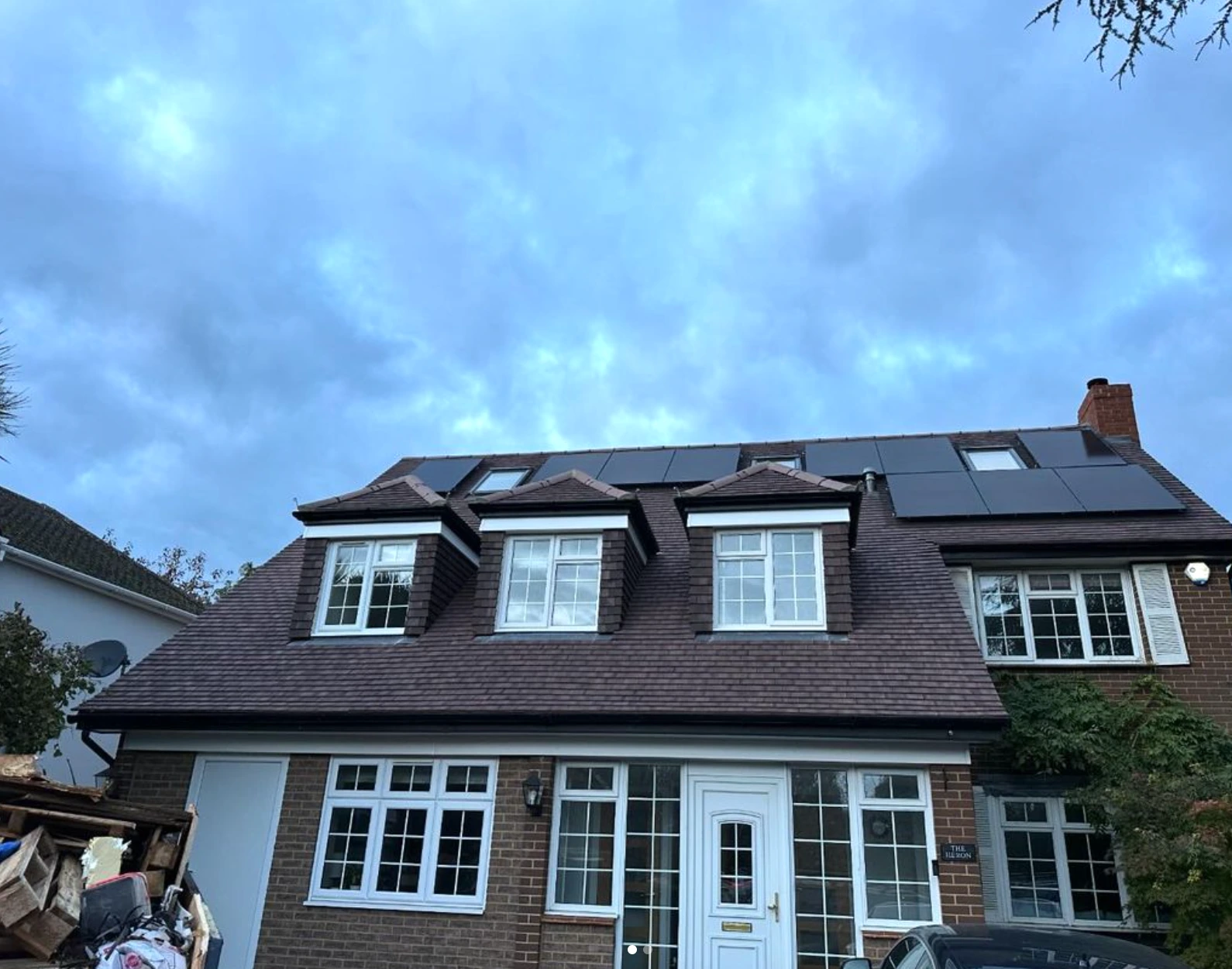
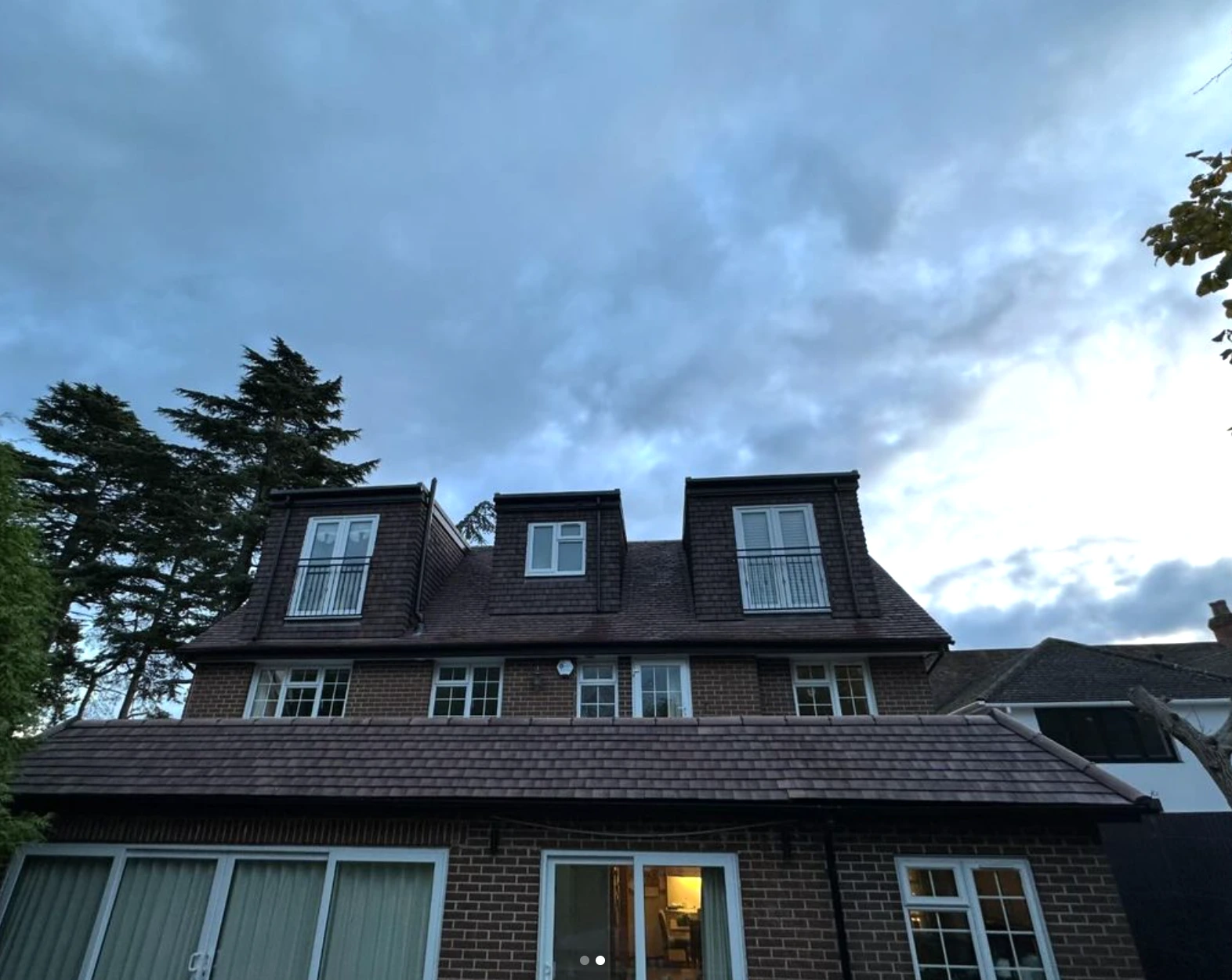
• Basic rear dormer (one room, no bathroom): £45,000 to £55,000 • Rear dormer with en suite bathroom: £55,000 to £70,000 • Rear dormer with two rooms and a bathroom: £65,000 to £80,000 • L-shaped dormer (two bedrooms and bathroom): £55,000 to £75,000 • Double dormer (front and rear, two bedrooms and bathroom): £65,000 to £85,000
These figures are for a standard specification in a typical London terrace or semi-detached house. The final cost for your specific project will depend on a range of factors, which are covered in detail below.
What Drives the Cost of a Dormer Loft Conversion?
The Structural Work
The structural element of a dormer loft conversion is the most significant cost driver. This includes:
Steelwork. Most dormer conversions require steel beams to support the new floor and the dormer structure. The size and number of beams required depends on the span and the loads involved. For a typical London terrace, the steelwork cost is usually in the range of £3,000 to £6,000, though larger or more complex projects may cost more. Timber frame. The dormer structure itself is built from a timber frame, which is then clad externally and lined internally. The cost of the timber frame depends on the size of the dormer and the complexity of the design. Roof structure. The existing roof structure needs to be assessed and in most cases strengthened to support the new dormer and floor. This may involve adding new rafters, purlins, or other structural elements. Scaffolding. Scaffolding is required for all dormer conversions and typically costs £2,000 to £4,000 depending on the size of the property and the duration of the project.
The Roof Covering and Cladding
The dormer structure needs to be weatherproofed with a suitable roof covering and wall cladding. The most common options are:
Flat roof with EPDM or GRP covering. This is the standard choice for most London dormer conversions. EPDM (rubber) and GRP (fibreglass) are both durable, low-maintenance materials that provide excellent weatherproofing. The cost is typically £2,000 to £4,000 for a standard-sized dormer. Zinc or lead cladding. Zinc and lead are premium cladding materials that give a high-quality finish and are often required in conservation areas or on higher-specification projects. The cost is higher, typically £4,000 to £8,000 or more depending on the area to be covered. Slate or tile matching. Some dormers are clad with slate or tiles to match the existing roof. This is more labour-intensive than flat roof coverings and typically costs £3,000 to £6,000.
The Dormer Windows
The dormer windows are a significant element of both the cost and the appearance of the conversion. The most common options are:
UPVC windows. The most affordable option, typically costing £500 to £1,500 per window depending on size. UPVC is low-maintenance and provides good thermal performance. Timber windows. A more premium option that gives a better aesthetic result, particularly on period properties. Timber windows typically cost £1,000 to £3,000 per window. Aluminium windows. A modern, slim-profile option that is popular on contemporary-style conversions. Costs are similar to timber, typically £1,000 to £2,500 per window.
The Internal Fit-Out
The internal fit-out covers everything from the floor and walls to the staircase, electrics, and plumbing. This is the area where the specification has the greatest impact on cost.
Floor construction. The new floor is typically constructed from engineered timber joists with a chipboard or plywood deck. The cost is usually £2,000 to £4,000 depending on the floor area. Insulation. Insulating the roof, walls, and floor to current building regulations standards is a significant cost element. The total insulation cost for a typical dormer conversion is usually £3,000 to £6,000. Plasterboard and plastering. The walls and ceiling are lined with plasterboard and plastered to a smooth finish. The cost depends on the floor area and ceiling height, but is typically £3,000 to £6,000 for a standard-sized dormer. Staircase. A new staircase is required for all loft conversions. The cost depends on the design and materials. A standard softwood staircase typically costs £2,000 to £4,000. A bespoke hardwood or glass staircase can cost £5,000 to £15,000 or more. Electrical work. First and second fix electrical work, including lighting, sockets, and any required upgrades to the consumer unit, typically costs £2,000 to £4,000 for a standard dormer conversion. Plumbing. If an en suite bathroom is included, first and second fix plumbing typically costs £2,000 to £5,000 depending on the complexity of the installation. Bathroom fittings. The cost of bathroom fittings varies enormously depending on the specification. A basic en suite with a shower, WC, and basin can be fitted out for £2,000 to £4,000. A larger bathroom with a freestanding bath and premium fittings can cost £8,000 to £15,000 or more.
Additional Costs to Factor In
Beyond the main construction costs, there are several additional items that can add to the overall budget.
Building Regulations Fees
A building regulations application must be submitted before work begins. The fee for a full plans application for a loft conversion is typically £500 to £800 depending on the local authority. Some loft conversion companies include this in their overall quote; others charge it separately.
Planning Fees
If your project requires a formal planning application, the current fee for a householder application in England is £258. If a Lawful Development Certificate is required or desired, the fee is £129.
Architect or Structural Engineer Fees
Drawings are required for the building regulations application, and a structural engineer’s input is needed for the steelwork design. Some loft conversion companies include these in their overall service. If charged separately, expect to pay £1,000 to £3,000 for drawings and £500 to £1,500 for structural engineering.
Party Wall Surveyor Fees
If your neighbour dissents to a party wall notice, a party wall surveyor will need to be appointed. Surveyor fees typically range from £700 to £1,500 per surveyor, and in some cases both parties will need their own surveyor.
Decoration
Most loft conversion quotes do not include decoration. Painting and decorating the new space typically costs £1,000 to £3,000 depending on the size of the room and the specification.
Is the price of a dormer loft conversion fixed or can it change?
A reputable contractor will provide a fixed-price quote. Costs can change if you request changes to the specification after the contract has been signed, or if unforeseen structural issues are discovered during the build.
Does the quote include VAT?
Always check. VAT at 20 per cent applies to loft conversion work, and some quotes are presented exclusive of VAT. Make sure you are comparing quotes on a like-for-like basis.
How much does it cost to add a bathroom to a dormer conversion?
Adding an en suite bathroom typically adds £8,000 to £15,000 to the cost of a dormer conversion, depending on the size of the bathroom and the specification of the fittings.
Is it cheaper to do a dormer conversion without a bathroom?
Yes. A basic dormer conversion without a bathroom is the most affordable option. However, adding a bathroom significantly increases the value of the conversion and is usually worth the additional cost.
How does the cost of a dormer compare to a mansard conversion?
A mansard conversion typically costs £15,000 to £30,000 more than a comparable dormer conversion, reflecting the greater structural complexity involved. For most London terraces, a dormer offers better value for money unless maximum space is the priority.
Are there any hidden costs I should be aware of?
The most common additional costs are party wall surveyor fees, planning fees, and decoration. Make sure you ask your contractor what is and is not included in their quote so you can budget accurately.
How long does a dormer loft conversion take?
A standard rear dormer on a London terrace typically takes eight to twelve weeks to complete from the start of work on site.
Can I get finance for a dormer loft conversion?
Yes. Many homeowners finance their loft conversion through a remortgage or a further advance on their existing mortgage. This is covered in more detail in a separate guide.
What is the best way to find a reputable dormer loft conversion company in London?
Look for a company with a strong local track record, verifiable references, an insurance-backed guarantee, and deposit protection. At Neo Lofts London, we offer all of these as standard.
How do I get a quote for my specific property?
The best way is to arrange a free survey. At Neo Lofts London, we offer free, no-obligation surveys across all areas of London and will provide a detailed written quote with a full breakdown of costs.
If you would like a detailed quote for a dormer loft conversion on your property, contact Neo Lofts London today. We offer free surveys with no obligation and provide transparent, fixed-price quotes with no hidden costs.